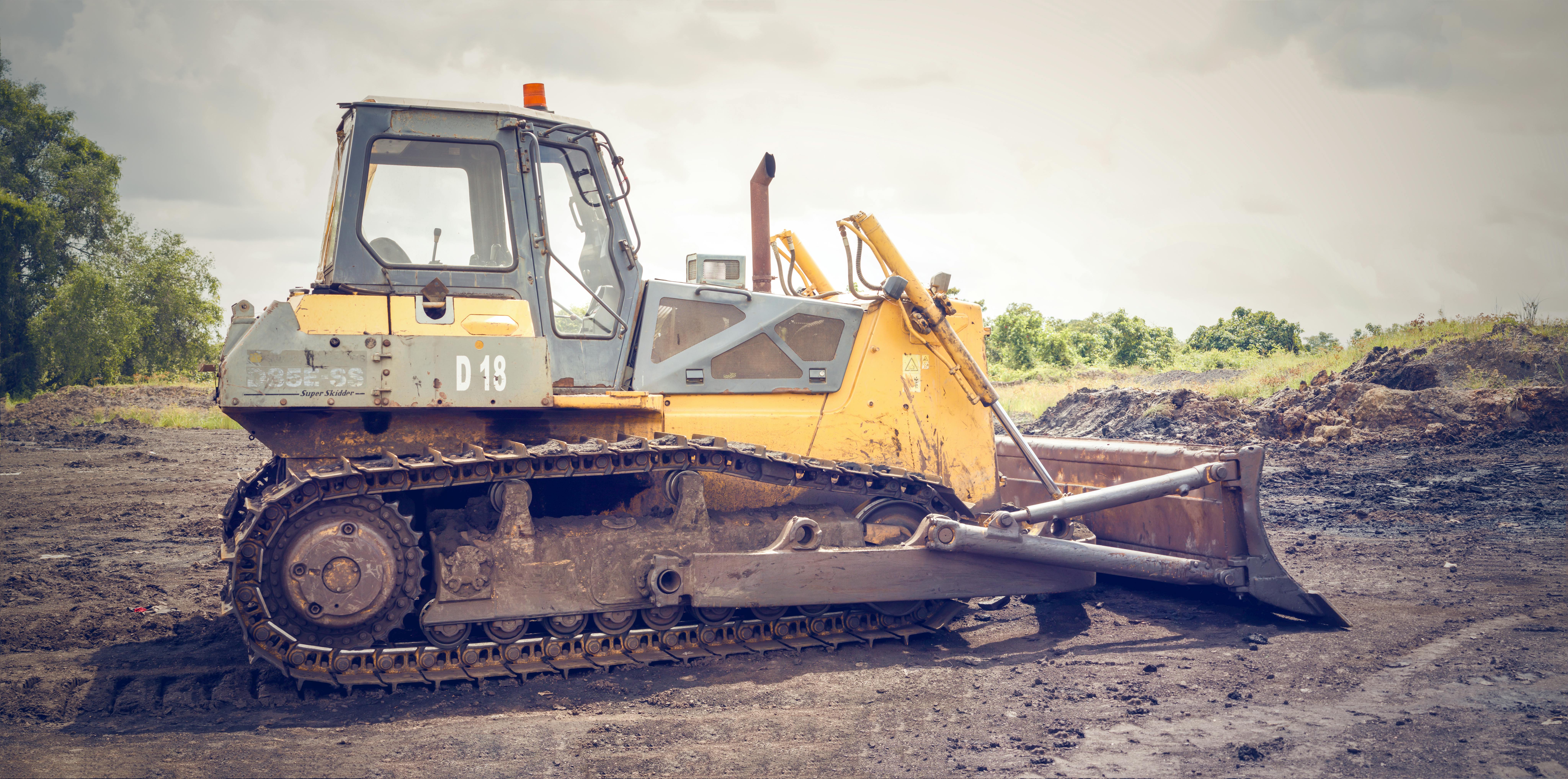
Amphibious equipment represents a transformative innovation in industries that require operations across diverse terrains. These specialized machines are designed to perform seamlessly in both aquatic and terrestrial environments, offering unparalleled versatility and efficiency. As global industries increasingly encounter challenges like climate change and environmental conservation, the demand for robust and adaptable machinery is on the rise. This article explores the capabilities and applications of amphibious equipment, providing insights into how these machines can enhance operational effectiveness.
The Versatility of Amphibious Equipment
Amphibious equipment is engineered to tackle a wide array of environments, from marshy wetlands to shallow water bodies. This versatility is essential for industries such as construction, environmental management, and oil and gas exploration. Key features that highlight the adaptability of amphibious equipment include:
- Adaptable track systems that provide stability and traction on both land and water.
- Modular design for easy customization according to specific project needs.
- Enhanced buoyancy and propulsion systems for efficient navigation in water.
For those seeking to understand the breadth of these capabilities, it’s beneficial to discover expert strategies here.
Applications Across Industries
Environmental Management
Amphibious equipment plays a critical role in environmental conservation efforts, especially in managing wetlands and restoring natural habitats. These machines are ideal for:
- Dredging and sediment removal to maintain waterway health.
- Wetland restoration projects that require minimal environmental disruption.
- Erosion control and shoreline protection activities.
To learn about tailored solutions for environmental projects, consider exploring more specialized resources.
Construction and Infrastructure
In the construction sector, amphibious equipment is invaluable for projects in challenging terrains. They facilitate operations by:
- Enabling heavy lifting and transport over soft or unstable ground.
- Supporting infrastructure development in flood-prone areas.
- Assisting in the installation of pipelines and utilities in difficult-to-access locations.
Construction professionals can explore advanced guides and tips to maximize efficiency with amphibious equipment.
Technological Innovations
The evolution of amphibious equipment is driven by continuous technological advancements. Some noteworthy innovations include:
- Integration of GPS and remote sensing for precise operation and monitoring.
- Development of eco-friendly engines to minimize environmental impact.
- Advanced safety features to protect operators in diverse conditions.
For more insights into the latest technological developments, find out more about this approach and how it can be applied to your industry’s challenges.
Conclusion
Amphibious equipment stands as a testament to human ingenuity, bridging the gap between land and water operations with unmatched precision and adaptability. As industries continue to navigate complex environmental and logistical challenges, the adoption of these versatile machines becomes increasingly crucial. By embracing the power of amphibious equipment, industries can not only enhance their operational capabilities but also contribute to sustainable practices and innovative solutions. For those looking to dive deeper into the world of amphibious machinery and its applications, further exploration and understanding are key.