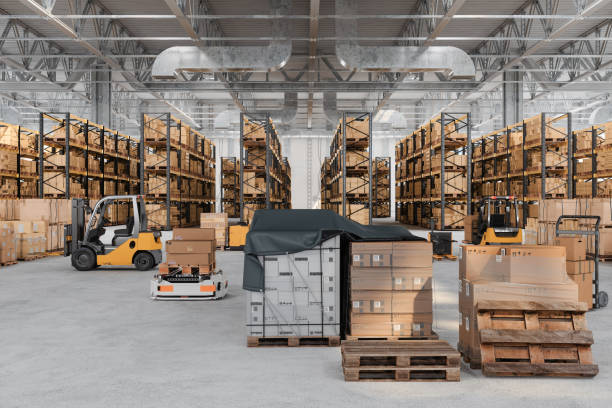
In today’s fast-paced business environment, the efficiency and effectiveness of warehousing operations are crucial to maintaining a competitive edge. The integration of innovative technologies has transformed traditional warehousing into a seamless, automated process, enhancing productivity, accuracy, and customer satisfaction. By leveraging automated warehousing solutions, businesses can streamline operations, reduce costs, and improve overall performance. This article explores the various aspects of automated warehousing and how these solutions can revolutionize business operations.
The Evolution of Warehouse Automation
Warehouse automation has come a long way from the days of manual handling and paper-based systems. The shift towards automation is driven by the need for higher efficiency, cost reduction, and improved accuracy. With advancements in technology, warehouse automation technologies have evolved to include sophisticated systems such as automated guided vehicles (AGVs), robotic arms, and automated storage and retrieval systems (AS/RS).
Key Benefits of Automated Warehousing
Adopting automated warehouse systems offers numerous benefits:
- Increased Efficiency: Automation reduces manual labor, speeds up operations, and minimizes errors, resulting in faster processing times.
- Cost Savings: By minimizing labor costs and reducing errors, businesses can achieve significant cost savings.
- Scalability: Automated systems can be easily scaled to accommodate growing business needs without significant additional investments.
- Improved Accuracy: Technologies such as the automated warehouse picking system ensure precise order fulfillment, enhancing customer satisfaction.
- Better Space Utilization: With an automated storage warehouse, space is utilized more efficiently, reducing the need for large storage areas.
Technologies Driving Automation
The transformation of warehousing is powered by cutting-edge technologies that enable seamless operations. Some of the most impactful technologies include:
Robotics
The integration of robotics into warehousing processes has been a game-changer. Robotic warehouse automation systems are capable of performing tasks such as picking, packing, and sorting with high precision and speed. This not only reduces the need for manual intervention but also enhances the efficiency of the entire process.
Warehouse Control Systems (WCS)
A warehouse control system acts as the central nervous system of automated warehousing operations. It coordinates various automated equipment and processes, ensuring smooth and efficient operations. By providing real-time data and analytics, a WCS enables better decision-making and resource allocation.
Implementing Automated Solutions
The successful implementation of warehouse automation solutions requires careful planning and execution. Key considerations include:
- Assessment of Needs: Understanding specific business requirements and operational challenges is crucial for selecting the right automation technologies.
- Partnering with Experts: Collaborating with warehouse automation companies ensures access to expertise and tailored solutions.
- Seamless Integration: Ensuring that warehouse automation installation is compatible with existing systems to avoid disruptions.
- Training and Support: Providing adequate training to staff and ensuring ongoing support to maximize the benefits of automation.
Conclusion
As the demand for faster and more accurate warehousing operations continues to grow, businesses must look towards innovative solutions to remain competitive. By embracing warehouse automation services, companies can achieve significant improvements in productivity, accuracy, and cost-efficiency. The future of warehousing is automated, and those who adapt to these changes will be at the forefront of industry advancements.