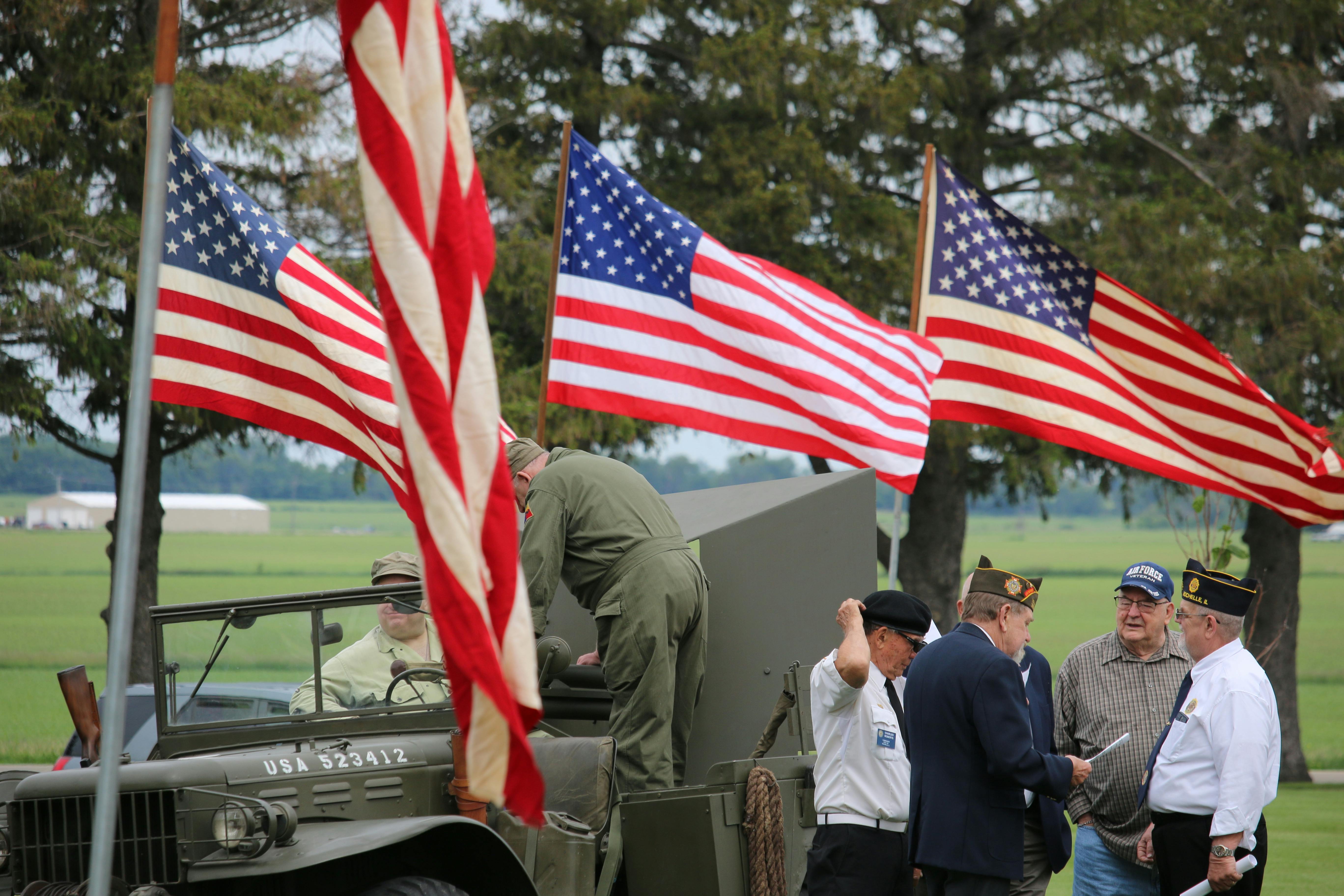
Flags have long served as symbols of identity, pride, and unity for nations, organizations, and armed forces around the globe. These vibrant pieces of fabric do more than just flutter in the wind; they embody the spirit, history, and values of those they represent. Armed forces flags, in particular, carry profound meaning and significance. They are a tribute to the sacrifices made by servicemen and women and a reminder of the duty and honor inherent in military service. This article explores some of the most notable armed forces flags and their meanings, shedding light on the stories woven into their designs.
The Importance of Armed Forces Flags
Armed forces flags are not mere decorations; they are powerful symbols with several important roles:
- They serve as a visual representation of a nation’s military strength and heritage.
- They act as a rallying point for troops, fostering unity and morale.
- They are used in ceremonies to honor service members and commemorate significant events.
- They help distinguish between different branches and units within the armed forces.
Symbols and Their Meanings
Colors and Emblems
Every element of an armed forces flag has meaning, from the colors chosen to the emblems displayed. These elements convey powerful messages:
- Colors: Common colors include red for valor and sacrifice, blue for vigilance and justice, and white for purity and peace.
- Emblems: Stars, eagles, and anchors are often used to symbolize the strength, freedom, and maritime prowess of a nation’s military.
To gain a deeper understanding of these symbols, explore advanced guides and tips available online.
Notable Armed Forces Flags
Each armed forces flag is unique, reflecting the distinct identity of its military branch or unit. Some notable examples include:
- The United States Army Flag: Featuring a blue emblem on a white field, it symbolizes the Army’s readiness and strength.
- The Royal Navy Ensign: With its iconic red background and white cross, it represents the maritime tradition and history of the British Navy.
- The Indian Air Force Ensign: Displaying a blue and white roundel, it signifies the air force’s commitment to defending the skies.
For a broader view of these flags, find out more about this approach to military symbolism.
The Role of Flags in Military Ceremonies
Flags play a central role in military ceremonies, serving as a focal point for both celebration and solemnity. They are present in:
- Parades: Flags lead the way in military parades, instilling pride and unity among participants and spectators alike.
- Funerals: A flag draped over a service member’s casket is a touching tribute to their service and sacrifice.
- Promotions and Retirements: Flags are integral to ceremonies that mark the milestones of a military career.
To learn about tailored solutions for incorporating flags into ceremonies, discover expert strategies here.
Conclusion
Armed forces flags are far more than decorative items; they are potent symbols of national pride, military heritage, and the unwavering courage of service members. Understanding the meaning behind these flags enriches appreciation for their role in history and their ongoing significance in military culture. For those interested in delving deeper into the intricacies of military flags, learn about our tailored solutions to better understand their profound impact.