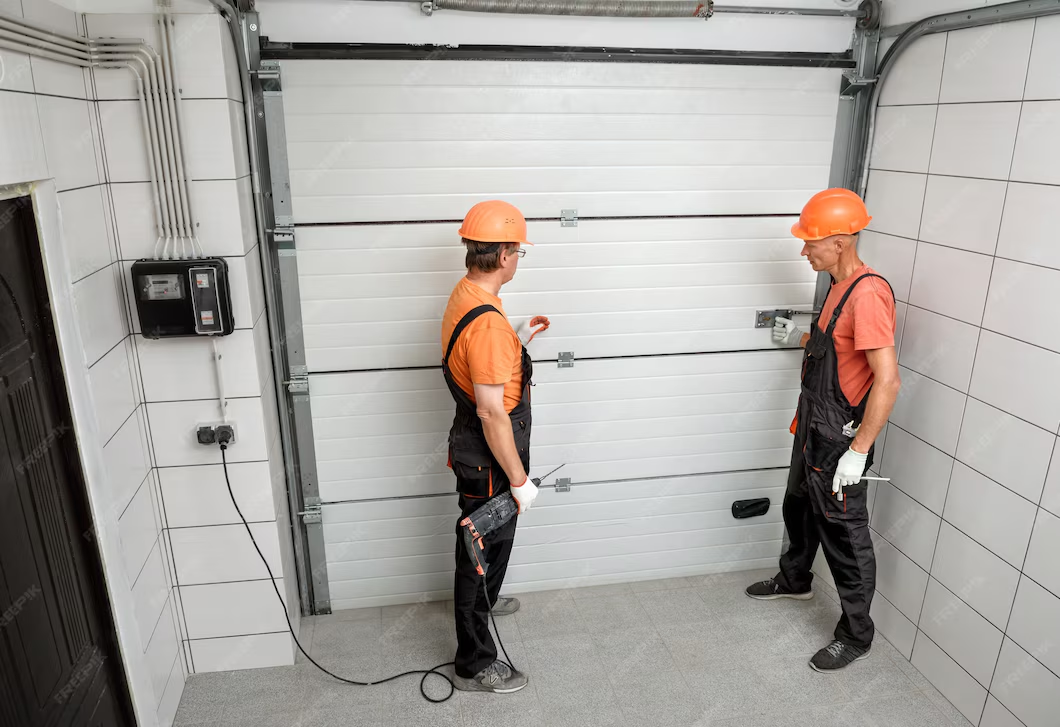
A functioning garage door is an essential component of home security and convenience. Among the most critical parts of a garage door are the spring and cable systems, which bear the weight and ensure smooth operation. Over time, these components can wear out or break, necessitating professional replacement to maintain door functionality and safety. Understanding the intricacies of these replacements can help anticipate potential issues and ensure timely maintenance.
Understanding the Role of Springs and Cables
Garage door springs and cables work in tandem to lift and lower the door efficiently. Springs provide the necessary tension, while cables carry this tension to facilitate the door’s movement. There are typically two types of springs used in garage doors:
- Torsion Springs: Mounted above the door, these springs are designed for durability and heavy lifting.
- Extension Springs: Located on either side of the door, these springs extend and contract to assist with door movement.
Cables, on the other hand, are responsible for transferring the energy from the springs to the door, ensuring it opens and closes smoothly. When these components fail, professional intervention is crucial to prevent further damage and ensure safety. Discover expert strategies here for understanding and maintaining these vital components.
Indicators of Wear and Tear
Identifying signs of wear and tear early can prevent costly repairs and ensure the longevity of the garage door system. Key indicators include:
- Unusual Noises: Grinding or squeaking sounds during operation can signal a problem with the springs or cables.
- Uneven Door Movement: A door that appears lopsided or jerky often indicates a spring or cable issue.
- Visible Damage: Frayed cables or rusted springs require immediate attention.
Regular inspections can help identify these issues early. Explore advanced guides and tips on maintaining your garage door’s performance.
Steps in Professional Replacement
Initial Assessment
A thorough inspection is the first step in the replacement process. This involves evaluating the current condition of the springs and cables, identifying the type of springs used, and determining the extent of the damage. Learn about our tailored solutions for comprehensive assessments.
Choosing the Right Components
Selecting the appropriate replacement parts is crucial. Factors to consider include:
- Spring Type: Matching the spring type ensures compatibility and functionality.
- Quality of Materials: High-quality, durable materials prolong the lifespan of the components.
Professional services ensure that all replacements meet industry standards and specifications. Find out more about this approach to component selection.
Installation and Testing
Once the components are selected, the installation phase begins. This involves careful removal of the old parts, secure installation of new springs and cables, and thorough testing to ensure the door operates smoothly and safely. Proper installation reduces the risk of future malfunctions and extends the life of the garage door system.
Safety Considerations
Safety is paramount when dealing with garage door components. Springs and cables operate under extreme tension, posing risks if mishandled. Professional services prioritize:
- Using Correct Tools: Specialized tools ensure safe handling and installation.
- Adhering to Safety Protocols: Following industry-standard safety measures prevents accidents.
For those considering DIY approaches, understanding these safety risks is essential. However, professional intervention is recommended for optimal safety and effectiveness. Explore advanced guides and tips for safe handling practices.
In conclusion, professional garage door spring and cable replacement is indispensable for maintaining door functionality and safety. Recognizing signs of wear, choosing the right components, and ensuring proper installation are critical steps in this process. For detailed insights and professional guidance, explore the available resources and strategies.