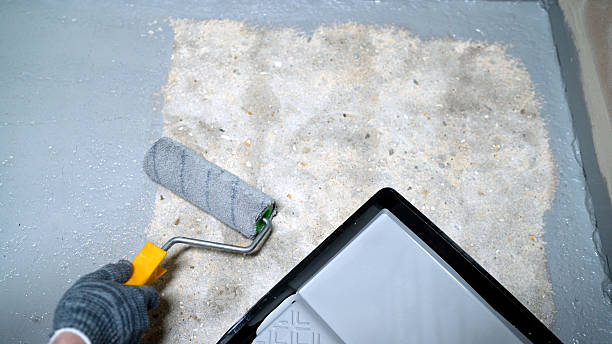
Concrete floor coating is a critical service for commercial, industrial, and residential properties that demand durability, safety, and aesthetic appeal. A high-quality coating protects the substrate from wear, chemicals, moisture, and impact while providing a finished surface that can meet specific functional requirements such as slip resistance or decorative design. Selecting the right contractor involves understanding the technical aspects of coating systems, evaluating project management capabilities, and ensuring compliance with industry standards. This article outlines the essential considerations and best practices for hiring premier concrete floor coating contractors.
Understanding Concrete Floor Coating Systems
Coating systems vary widely in composition, performance, and application methods. The most common types include epoxy, polyurethane, polyurea, and acrylic systems. Each system offers distinct benefits:
- Epoxy: Excellent chemical resistance and high compressive strength; ideal for warehouses and manufacturing floors.
- Polyurethane: Superior UV stability and flexibility; often used in outdoor or high-traffic areas.
- Polyurea: Rapid cure times and exceptional abrasion resistance; suitable for projects with tight deadlines.
- Acrylic: Cost-effective and easy to apply; best for decorative residential applications.
Choosing the appropriate system depends on factors such as load requirements, exposure conditions, and desired aesthetics. For a deeper dive into coating options, Read more about this topic.
Key Qualifications of a Premier Contractor
Technical Expertise
A qualified contractor should demonstrate:
- Certification in surface preparation methods (e.g., shot blasting, diamond grinding).
- Experience with moisture vapor transmission testing to prevent delamination.
- Knowledge of industry standards such as ASTM, ACI, and SSPC.
Project Management Skills
Effective project execution requires:
- Clear scheduling that minimizes disruption to business operations.
- Transparent communication of milestones, material delivery, and safety protocols.
- Ability to manage subcontractors and coordinate with other trades.
Quality Assurance Processes
Look for contractors who implement:
- Pre-application inspections and documented surface profiles.
- In-process testing such as adhesion pull-off tests.
- Post-application verification, including thickness measurement and slip-resistance testing.
For a comprehensive checklist of contractor qualifications, Learn more in this detailed guide.
Evaluating the Scope of Work
A well-defined scope of work (SOW) protects both the client and the contractor. Essential elements include:
- Detailed description of the existing concrete condition.
- Specification of the coating system, including primer, base coat, and topcoat layers.
- Performance criteria such as chemical resistance, load capacity, and slip rating.
- Project timeline, milestones, and warranty provisions.
When reviewing proposals, ensure that the SOW aligns with the project’s functional goals. Additional guidance on crafting an effective SOW can be found by Explore further insights here.
Environmental and Safety Considerations
Concrete coating projects must comply with environmental regulations and workplace safety standards. Contractors should:
- Use low-VOC or VOC-compliant materials to reduce airborne contaminants.
- Implement proper ventilation and personal protective equipment (PPE) during application.
- Provide spill containment plans and waste disposal procedures that meet local regulations.
Understanding these practices helps mitigate risk and ensures a healthy work environment. For more information on safety protocols, Find additional information here.
Cost Factors and Budget Management
Cost estimation for concrete floor coating involves several variables:
- Surface preparation intensity (e.g., level of contamination, required grinding depth).
- Type and thickness of the coating system.
- Geographic location and labor rates.
- Additional features such as decorative flakes, metallic pigments, or anti-static additives.
A transparent breakdown of material, labor, and contingency costs allows stakeholders to make informed decisions and avoid unexpected overruns. For budgeting tips specific to coating projects, Read more about this topic.
Maintenance and Longevity
The lifespan of a coated concrete floor depends on proper installation and ongoing maintenance. Recommended practices include:
- Regular cleaning with pH-neutral detergents to prevent abrasive buildup.
- Prompt repair of chips or cracks to maintain integrity.
- Scheduled re-coating or top-coat renewal based on traffic intensity.
Implementing a maintenance plan extends the service life of the coating and protects the underlying concrete. Further details on maintenance schedules are available in the Learn more in this detailed guide.
Conclusion
Selecting a premier concrete floor coating contractor requires a balanced assessment of technical capability, project management proficiency, compliance with safety and environmental standards, and clear financial transparency. By understanding coating system options, scrutinizing qualifications, defining a precise scope of work, and planning for long-term maintenance, property owners can achieve durable, high-performing floors that meet both functional and aesthetic objectives. For ongoing updates and expert insights on concrete floor coating, Explore further insights here.