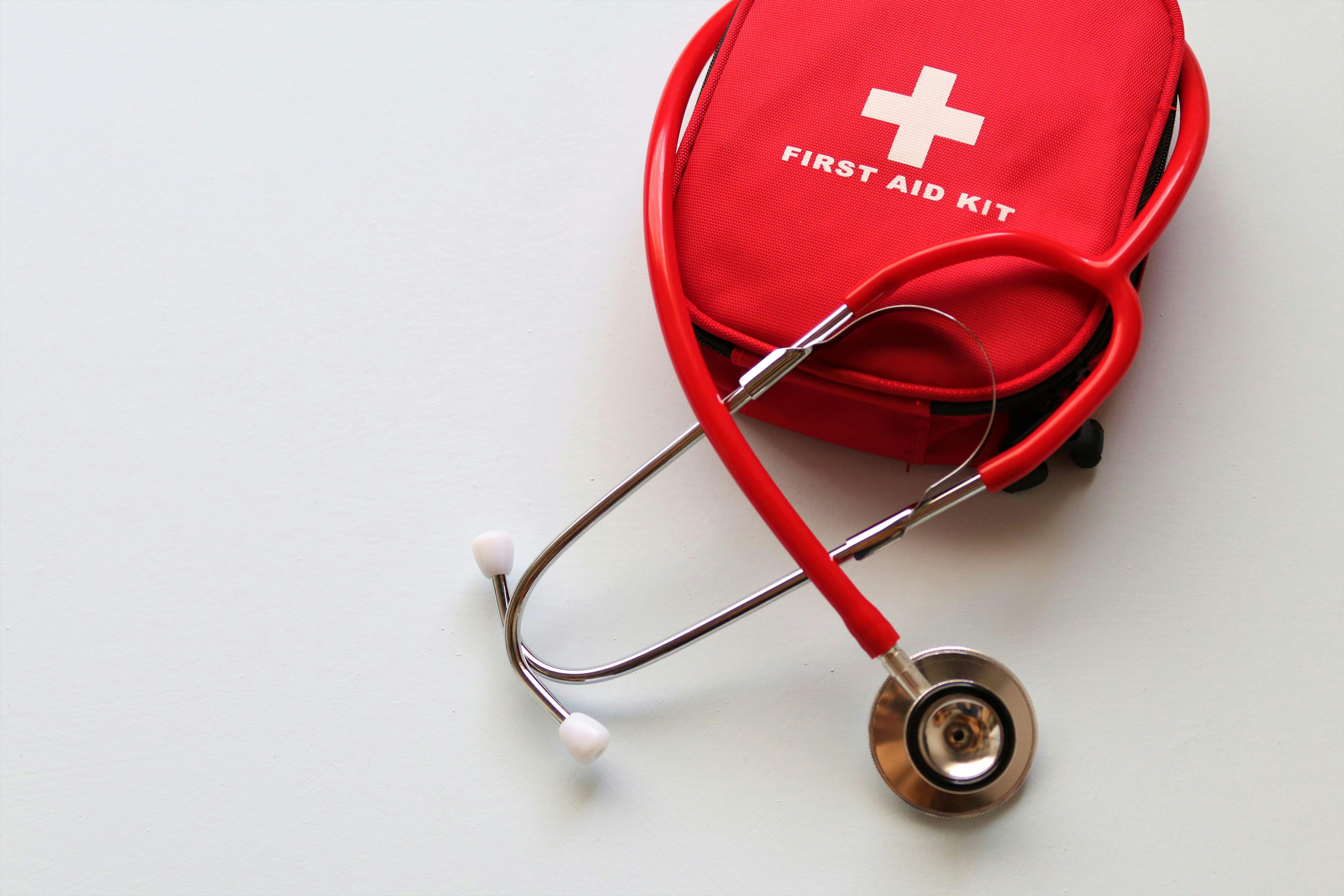
A career in phlebotomy offers a rewarding pathway for those interested in the healthcare field. As the demand for skilled healthcare professionals continues to rise, phlebotomy provides a vital service in medical settings, focusing on drawing blood samples for tests, transfusions, research, and donations. Understanding the comprehensive training involved in becoming a certified phlebotomist is crucial for aspiring professionals. This overview provides insights into what to expect from a phlebotomy training program, the curriculum, certification requirements, and potential career opportunities.
Program Structure and Curriculum
A phlebotomy training program is typically structured to provide both theoretical knowledge and practical skills essential for the profession. These programs can vary in duration, usually lasting from a few weeks to several months, depending on the depth and intensity of the training.
- Introduction to Phlebotomy: Understanding the role of a phlebotomist in healthcare.
- Anatomy and Physiology: Basic knowledge of human body systems relevant to phlebotomy.
- Blood Collection Techniques: Training in venipuncture, capillary collection, and safe handling of samples.
- Infection Control: Protocols for maintaining hygiene and preventing contamination.
- Patient Interaction: Developing communication skills for interacting with patients of varying needs.
- Laboratory Safety: Learning safety procedures and regulations in a laboratory setting.
For more detailed information on the curriculum and training methodologies, discover expert strategies here.
Certification Requirements
Certification is a critical component of a phlebotomist”?s career, often required by employers to ensure competency and adherence to industry standards. To achieve certification, candidates must typically complete an accredited training program and pass a certification exam.
Certification Exams
- American Society for Clinical Pathology (ASCP) Certification
- National Phlebotomy Association (NPA) Certification
- American Medical Technologists (AMT) Certification
Each certification body may have specific eligibility criteria, including educational prerequisites and clinical experience. For those seeking guidance on meeting these requirements, learn about our tailored solutions.
Practical Training and Internships
Practical training is an integral part of phlebotomy education, allowing students to gain hands-on experience under the supervision of experienced professionals. Internships or externships in clinical settings are often included in training programs.
- Supervised Blood Draws: Practicing venipuncture techniques in real-world scenarios.
- Clinical Rotations: Exposure to different healthcare environments such as hospitals, clinics, and private practices.
- Patient Interaction: Developing the soft skills necessary to manage patient concerns and provide reassurance.
To explore advanced guides and tips on maximizing internship experiences, explore advanced guides and tips.
Career Opportunities and Advancement
Upon completion of a phlebotomy training program and obtaining certification, a wide array of career opportunities becomes available. Phlebotomists can work in various healthcare settings, including:
- Hospitals and Clinics: Providing crucial support in blood collection for medical testing.
- Diagnostic Laboratories: Assisting with the preparation and processing of samples.
- Blood Donation Centers: Facilitating the collection of blood donations for transfusions.
- Research Facilities: Contributing to medical research and clinical trials.
As professionals gain experience, opportunities for advancement may include roles in management, training, or specialized laboratory services. For those interested in furthering their careers, find out more about this approach.
Pursuing a career in phlebotomy not only provides a stable and fulfilling job but also plays a crucial role within the healthcare system. With the proper training and certification, aspiring phlebotomists can look forward to a rewarding career helping others while gaining valuable skills and experience.