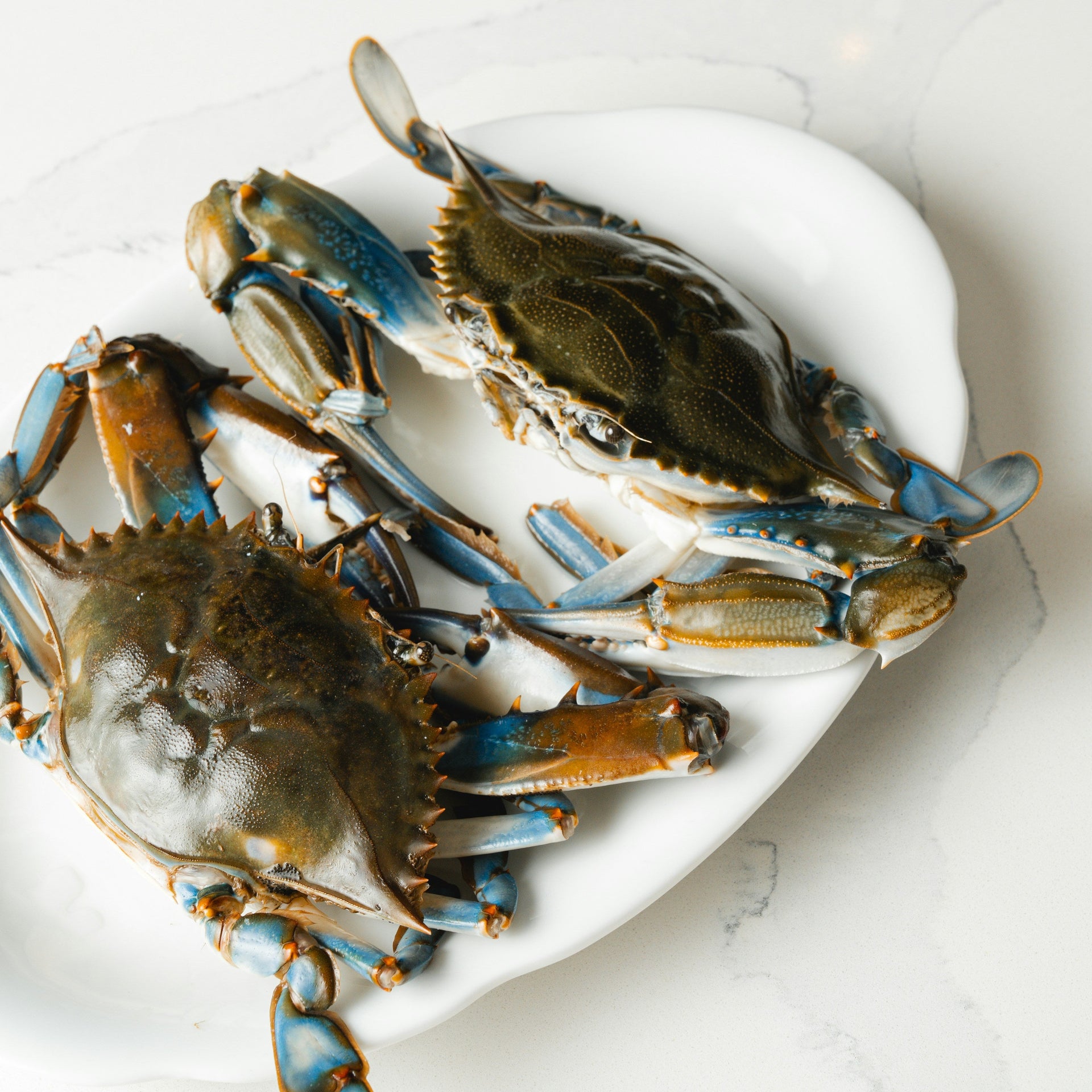
Crabs have long been a staple in the culinary world, appreciated for their delicate flavor and versatility. However, the journey from ocean to table is often less understood. This article delves into the fascinating world of crab lives, exploring their habitats and behaviors, the processes involved in bringing them to market, and their ultimate transformation into gourmet delights. With sustainability and ethical practices becoming increasingly important, understanding these aspects is crucial for consumers who are conscientious about their seafood choices.
The Natural Habitat of Crabs
Crabs are found in a variety of environments, from the deep sea to freshwater streams. In the ocean, they inhabit areas with abundant food sources and protective features. Key habitats include:
- Mangrove forests, which provide both shelter and nutrients.
- Coral reefs, offering diverse food options and protection from predators.
- Estuaries, where fresh and saltwater mix, creating a nutrient-rich environment.
Understanding these habitats is crucial for sustainably sourcing crabs. For instance, the live blue crabs shipped from certain regions are carefully harvested to ensure population stability.
The Lifecycle of Crabs
Crabs undergo a fascinating lifecycle that involves several stages, each critical to their development. The lifecycle includes:
- Larval Stage: Crabs begin their lives in a planktonic state, drifting in ocean currents.
- Juvenile Stage: As they grow, they settle on the ocean floor and start developing their hard exoskeleton.
- Adult Stage: Crabs reach maturity and become capable of reproduction, continuing the cycle.
The intricacies of crab lives are not only interesting but also vital for ensuring sustainable harvesting practices.
From Ocean to Market
Harvesting Methods
The method of harvesting crabs greatly influences their quality and sustainability. Popular methods include:
- Trapping: A selective method that minimizes bycatch and habitat damage.
- Dredging: Efficient for large catches but can be harmful to the environment if not managed properly.
Ethical considerations are paramount when sourcing crabs for sale, ensuring that harvesting methods do not harm marine ecosystems.
Processing and Distribution
Once harvested, crabs undergo various processes to ensure they reach consumers in optimal condition. This involves:
- Sorting and grading, to categorize crabs by size and quality.
- Packaging, using methods that maintain freshness during transport.
- Distribution, focusing on efficient logistics to minimize transit time.
Innovations in packaging and shipping have enabled the delivery of live blue crabs shipped across different regions while preserving their quality.
Crabs on the Culinary Scene
The culinary potential of crabs is immense, with chefs around the world experimenting with diverse preparation methods. Popular dishes include:
- Crab cakes, a classic that highlights the sweet, delicate flavor of the meat.
- Steamed crabs, often served with a variety of dipping sauces.
- Crab bisque, a creamy soup that emphasizes the richness of the crab.
The journey from ocean to table is a testament to the versatility and allure of live blue crabs shipped to discerning palates worldwide.