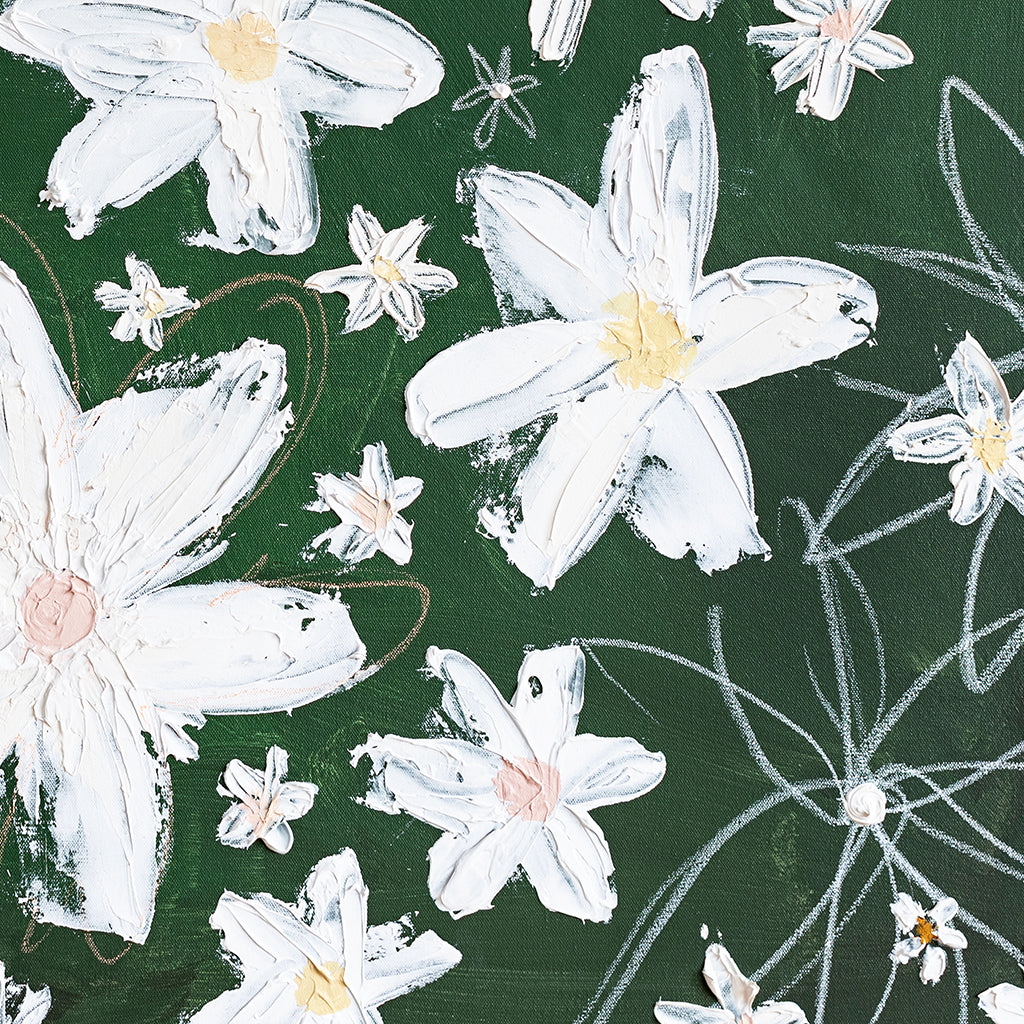
When it comes to interior design, the walls of a room serve as the canvas on which the overall aesthetic is painted. While color and pattern are significant components, the use of texture is an often-overlooked element that can elevate a space from ordinary to extraordinary. Textured wall art canvas offers a unique opportunity to introduce depth and dimension into an interior, creating visual interest and tactile allure that cannot be achieved by traditional flat wall art. This article explores the transformative power of textured wall art canvas and provides insights into integrating this dynamic element into diverse decor styles.
The Beauty of Textured Wall Art Canvas
Textured wall art canvas stands out for its ability to add a three-dimensional aspect to a room. Unlike conventional art pieces that rely solely on color and form, textured art invites viewers to engage with the piece through both sight and touch. The resulting interplay of light and shadow enhances the visual impact and creates a dynamic focal point within any space.
Why Choose Textured Art?
- Depth and Dimension: Textured art introduces layers to a space, making it feel richer and more complex.
- Tactile Engagement: The texture invites viewers to experience art not just visually, but physically, adding a sensory dimension to the decor.
- Versatility: Available in a variety of styles and materials, textured art can complement both contemporary and traditional settings.
- Uniqueness: Each textured piece is distinct, offering a one-of-a-kind addition to any decor scheme.
Incorporating Textured Art into Your Space
Integrating textured wall art canvas into a room requires careful consideration of the existing design elements. Here are some tips for effectively incorporating textured art:
Consider the Room’s Function
The use of textured art can vary significantly depending on the room. In a living room, a large textured canvas can serve as a statement piece above a sofa. In contrast, a subtle, smaller piece might be more appropriate in a bedroom, where the goal is often to create a serene atmosphere.
Harmonize with Existing Decor
- Color Palette: Choose textured art that complements the room’s color scheme. This will ensure that the art enhances the room rather than clashes with it.
- Material Harmony: Consider the materials used in your furniture and decor. A textured piece with metallic elements might pair well with a modern, industrial style, while a canvas with natural fibers could complement a rustic theme.
Placement and Lighting
The placement of textured wall art is crucial in maximizing its impact. Position art where it can be appreciated both up close and from a distance. Additionally, lighting plays a significant role in highlighting the texture. Consider using spotlights or natural lighting to accentuate the depth and shadows created by the texture.
Maintaining Textured Art
To preserve the beauty of textured wall art, regular maintenance is essential. Dust can accumulate in the crevices of textured pieces, so it’s important to clean them periodically. Use a soft brush or a vacuum with a brush attachment to gently remove dust. Avoid using water or cleaning solutions that might damage the material.
Long-term Care Tips
- Avoid Direct Sunlight: Prolonged exposure to direct sunlight can cause fading. Place textured art in locations where it is shielded from harsh sunlight.
- Control Humidity: High humidity can impact the integrity of the canvas material. Maintain a stable environment to ensure the longevity of the piece.
As you explore the world of textured wall art canvas, consider how these unique pieces can transform the ambiance of your space. Whether you’re aiming for a bold statement or a subtle enhancement, textured art offers endless possibilities to express your style and elevate your decor.