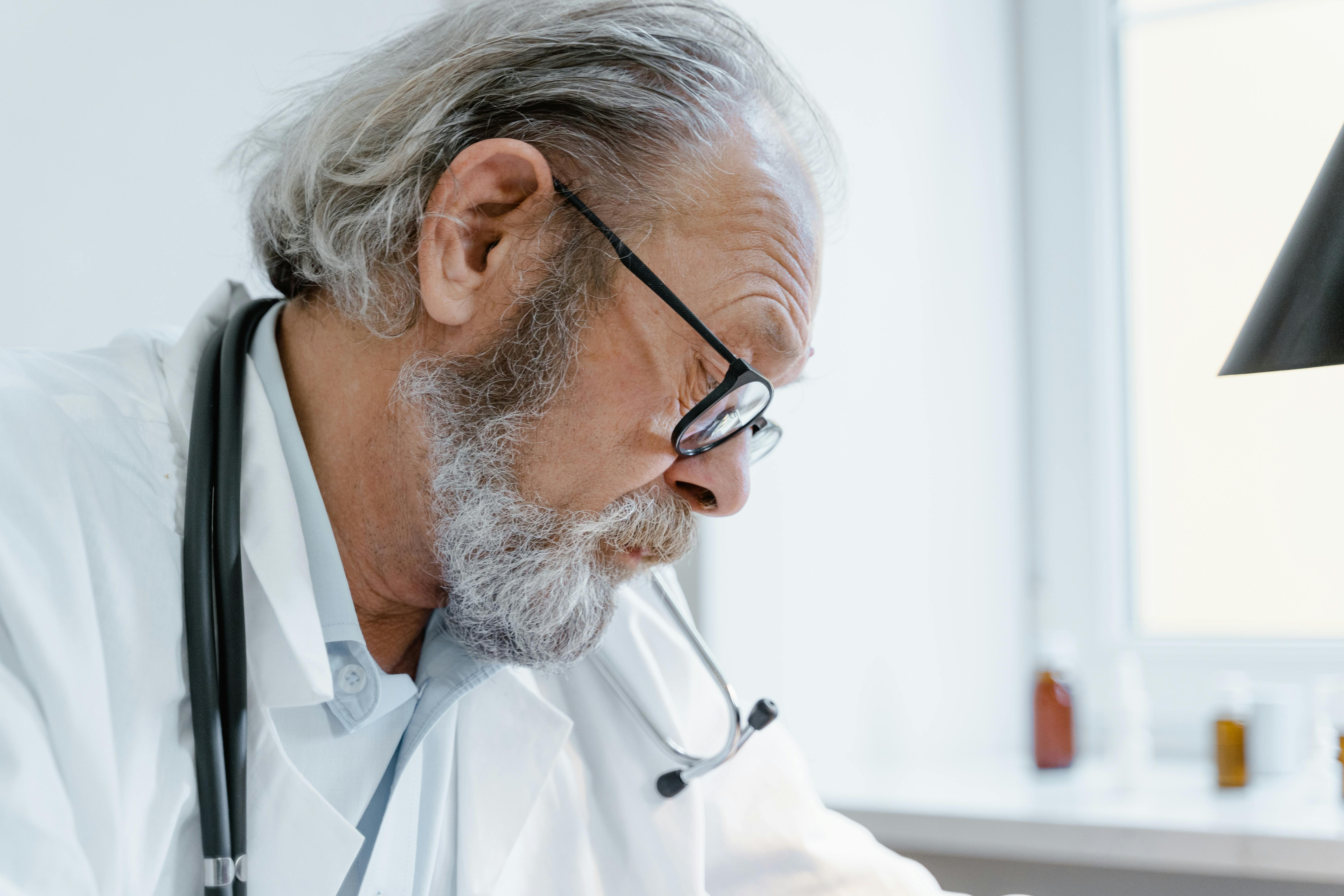
Cancer is a complex disease that affects millions of individuals worldwide, leading to a significant impact on patients’ lives and their families. The field of oncology has advanced tremendously over the years, offering various treatment options tailored to the type and stage of cancer. Understanding these options is crucial for patients seeking to make informed decisions about their healthcare. This article delves into the insights from a medical professional, exploring the diverse cancer treatment options available today.
Types of Cancer Treatments
When it comes to treating cancer, there is no one-size-fits-all solution. The treatment plan largely depends on the cancer type, its stage, and the patient’s overall health. Here are some common types of cancer treatments:
- Surgery: Often the first line of defense, surgery involves physically removing the tumor from the body. It can be curative, palliative, or preventive based on the cancer’s characteristics.
- Chemotherapy: This treatment uses drugs to destroy cancer cells. Chemotherapy can be administered orally or intravenously and is often used in conjunction with other treatments. Discover expert strategies here.
- Radiation Therapy: By using high-energy particles or waves, radiation therapy targets and kills cancer cells. It can be used alone or in combination with surgery or chemotherapy.
- Immunotherapy: A cutting-edge treatment that enhances the body’s immune system to fight cancer. Immunotherapy has shown promising results in treating various cancer types.
- Targeted Therapy: This approach uses drugs that specifically target cancer cell molecules, minimizing damage to normal cells. Explore advanced guides and tips.
Factors Influencing Treatment Choices
Choosing the right cancer treatment involves considering multiple factors. Each patient’s situation is unique, necessitating a personalized approach. Here are some critical factors influencing treatment decisions:
Cancer Type and Stage
The type and stage of cancer significantly impact treatment options. Early-stage cancers might be effectively treated with surgery or localized therapies, while advanced stages may require systemic treatments like chemotherapy or immunotherapy. Learn about our tailored solutions.
Patient’s Health and Preferences
A patient’s overall health, age, and personal preferences play a vital role in treatment selection. Some patients may prioritize treatments with fewer side effects, while others may opt for aggressive treatment plans. It is essential to consider these factors to ensure the chosen treatment aligns with the patient’s goals and lifestyle.
Emerging Trends in Cancer Treatment
With continuous research and technological advancements, new cancer treatments are emerging, offering hope for better outcomes. Here are some notable trends:
- Precision Medicine: This approach involves tailoring treatment based on the genetic makeup of the cancer, allowing for more targeted and effective therapies.
- Combination Therapies: Combining different treatment modalities, such as immunotherapy with chemotherapy, is showing promising results in enhancing efficacy.
- Minimally Invasive Surgery: Advances in surgical techniques are enabling less invasive procedures, reducing recovery time and improving patient comfort.
These trends highlight the evolving landscape of cancer treatment, emphasizing the importance of staying informed about the latest developments. Find out more about this approach.
Conclusion
Cancer treatment is a dynamic and complex field, with various options available to patients. By understanding the different treatments and factors that influence their effectiveness, patients can make informed decisions alongside their healthcare providers. The advancement in cancer therapies continues to provide hope and improved outcomes for those affected by this challenging disease.