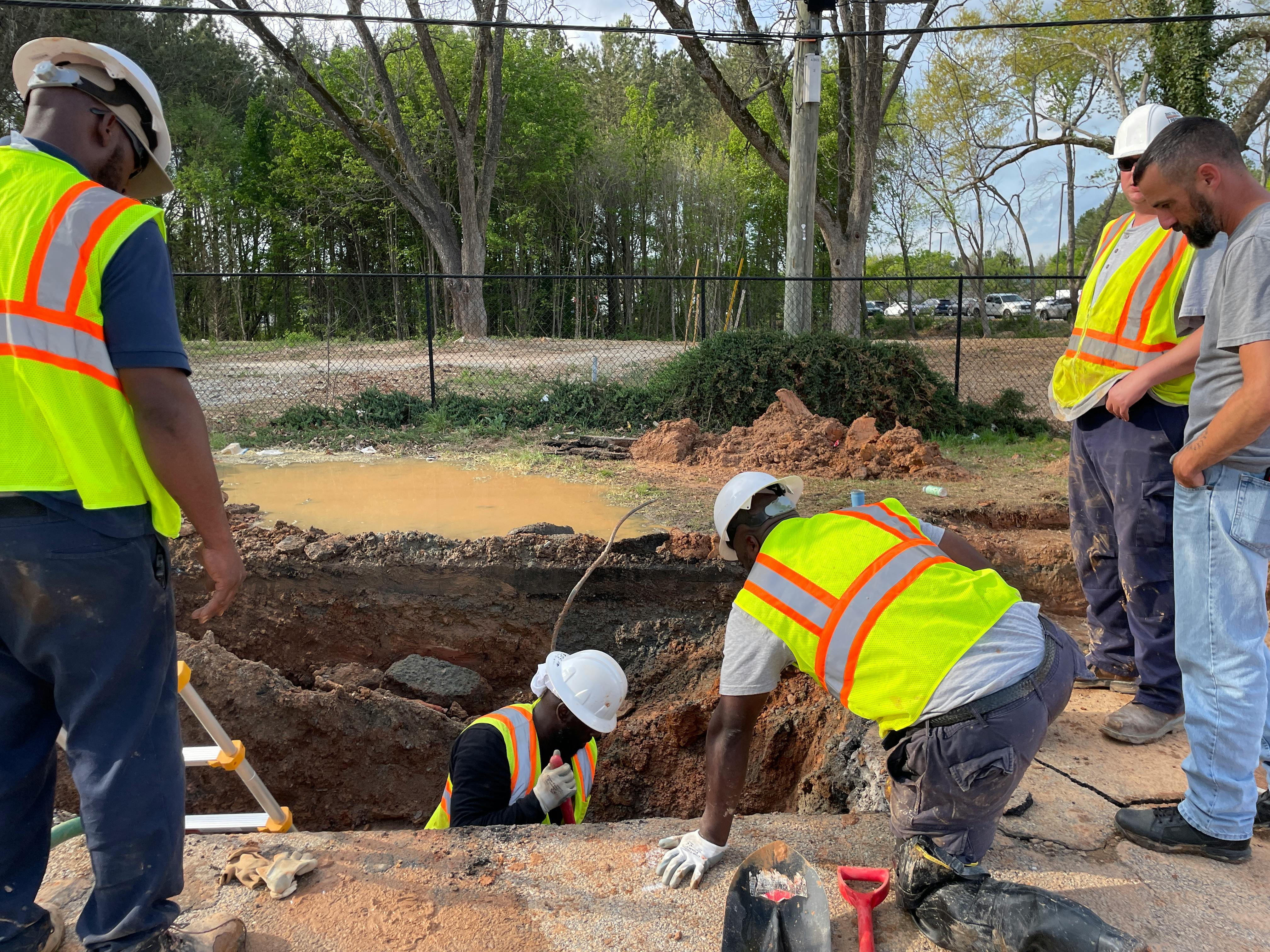
Underground tanks, often hidden beneath commercial properties, schools, and residential complexes, pose unique challenges when they reach the end of their service life. Improper removal can lead to soil contamination, groundwater pollution, and significant liability for property owners. Understanding the safety protocols and regulatory framework governing underground tank removal is essential for anyone responsible for managing these assets. This guide outlines the critical safety guidelines, legal requirements, and best-practice steps to ensure a compliant and risk-free removal process.
Why Proper Underground Tank Removal Matters
Failure to address aging or abandoned tanks can result in:
- Release of hazardous substances such as gasoline, diesel, or chemicals into the soil.
- Long-term groundwater contamination affecting drinking water supplies.
- Substantial cleanup costs imposed by environmental agencies.
- Legal penalties and increased insurance premiums.
Regulatory Landscape
Regulations vary by jurisdiction, but most regions follow a core set of federal or national standards that dictate how tanks must be handled.
Key Federal/National Standards
- Environmental Protection Agency (EPA) regulations: Governs underground storage tank (UST) reporting, leak detection, and corrective action.
- State or provincial statutes: Often impose stricter timelines for removal and additional permitting requirements.
- Local ordinances: May require site-specific assessments and public notification.
Permitting and Notification
Before any excavation begins, the responsible party must obtain:
- A removal permit from the appropriate environmental agency.
- Written notification to nearby property owners or occupants, when required.
- Documentation of the tank’s history, including past leaks and previous testing.
Safety Guidelines for UST Removal
Adhering to safety protocols protects workers, the environment, and the project timeline.
Pre-Removal Planning
- Conduct a thorough site assessment, including soil testing and utility location.
- Develop a detailed removal plan that outlines equipment, personnel, and emergency procedures.
- Engage qualified underground storage tank removal companies with proven experience in UST projects.
Personal Protective Equipment (PPE)
All crew members should wear:
- Respirators rated for volatile organic compounds (VOCs).
- Chemical-resistant gloves and coveralls.
- Safety boots with steel toes.
- Eye protection and hearing protection where noise levels exceed limits.
Leak Detection and Containment
- Install secondary containment barriers around the excavation zone.
- Utilize real-time leak detection sensors to monitor for unexpected releases.
- Have absorbent materials and spill kits readily available.
Excavation and Removal Procedures
- Secure the site: Fence the area and post warning signs.
- Locate the tank: Use ground-penetrating radar or existing as-built drawings.
- Depressurize and vent: Safely release any residual pressure from the tank.
- Empty the tank: Pump out remaining product using certified equipment; retain the product for proper disposal.
- Cut and lift: Employ hydraulic lifts or crane systems to remove the tank in one piece when possible.
- Backfill and restore: Replace excavated soil with clean fill, compact, and re-grade the site.
Testing and Verification After Removal
Post-removal testing confirms that no contaminants remain and that the site meets regulatory clearance levels.
- Perform soil sampling at multiple depths around the former tank footprint.
- Conduct groundwater monitoring wells if the tank previously stored petroleum products.
- Engage certified labs for analysis; results should be compared against local environmental standards.
- Document all findings in a final closure report, which may be required for future property transactions.
For detailed guidance on assessing residual contamination, consult resources on underground storage tank testing and consider a third-party audit.
Choosing the Right UST Removal Partner
Selecting a qualified contractor reduces risk and ensures compliance.
- Verify licensing and certifications specific to ust removal.
- Review past project references and compliance records.
- Ask about their approach to ust testing before and after removal.
- Confirm they carry appropriate insurance coverage for environmental liability.
Reputable ust removal companies typically provide a comprehensive service package that includes permitting, removal, testing, and documentation.
Cost Considerations and Budget Planning
While the primary goal is safety and compliance, budgeting is a practical concern. Typical cost drivers include:
- Tank size and material (steel vs. fiberglass).
- Depth of burial and site accessibility.
- Extent of required soil and groundwater remediation.
- Permitting fees and regulatory inspections.
Early engagement with a knowledgeable underground tank removal specialist can provide a realistic estimate and help avoid unexpected expenses.
Conclusion
Underground tank removal is a complex, highly regulated undertaking that demands meticulous planning, rigorous safety practices, and thorough post-removal testing. By adhering to federal and local regulations, employing qualified professionals, and following the outlined safety guidelines, property owners can mitigate environmental risks, avoid costly penalties, and ensure a clean, safe site for future use. Continuous monitoring and proper documentation complete the process, providing confidence that the removal was performed to the highest standards of environmental stewardship.