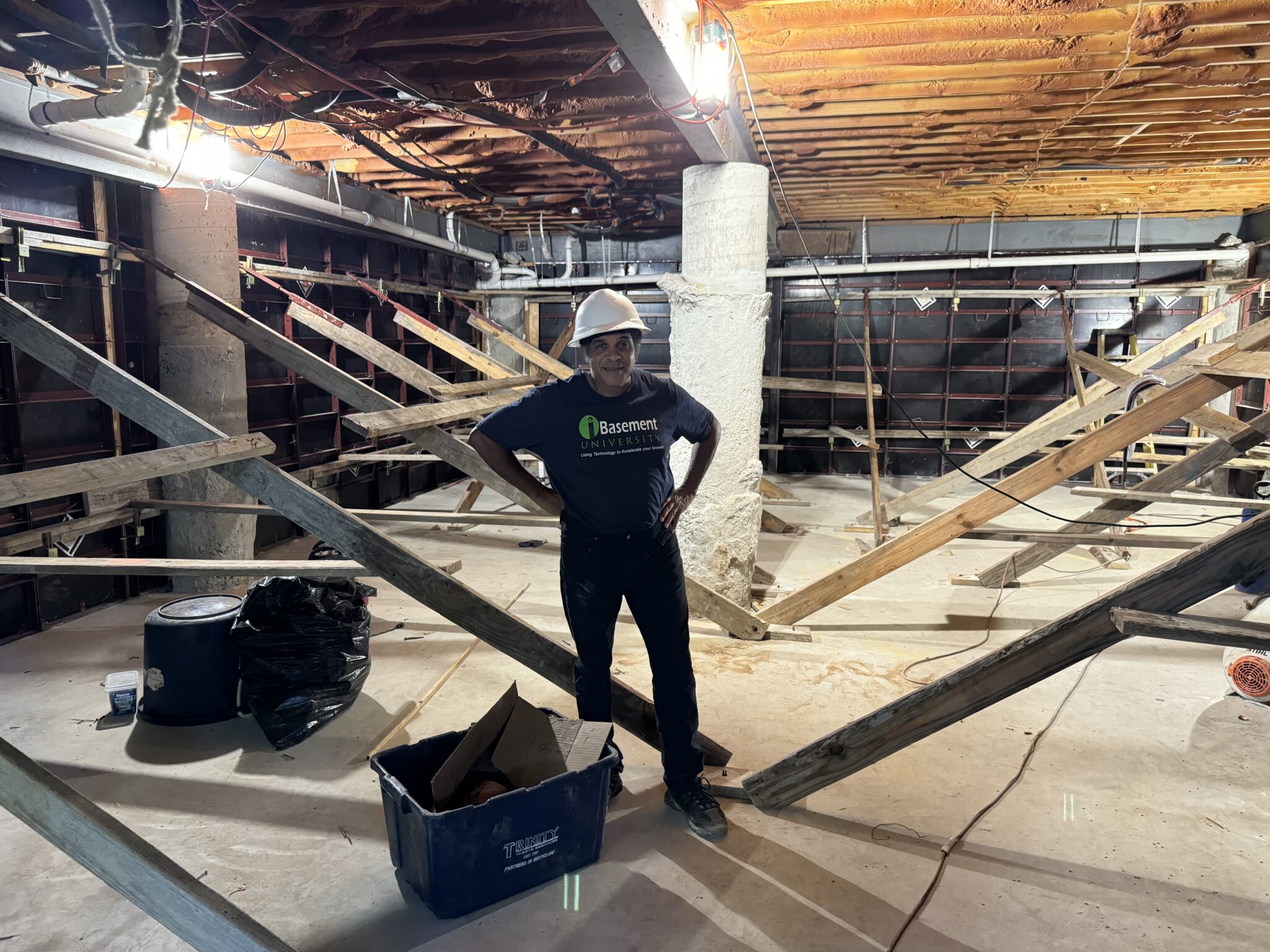
A solid foundation is the backbone of any residential or commercial structure. When cracks, uneven floors, or moisture intrusion appear, the underlying issue is often a compromised foundation that demands professional attention. Selecting a qualified foundation repair contractor is not merely a matter of price; it involves assessing expertise, reliability, and the ability to deliver lasting solutions. This guide walks you through the essential considerations, questions, and red-flags to watch for, ensuring that the contractor you choose can restore stability and protect your investment for years to come.
Understanding the Scope of Foundation Repair
Before evaluating contractors, it’s helpful to grasp the typical services involved in foundation repair. These may include:
- Foundation underpinning (push piers, helical piers, or slabjacks)
- Wall stabilization (carbon fiber straps, wall anchors)
- Drainage improvements (French drains, sump pump installation)
- Moisture mitigation (sealants, vapor barriers)
- Structural assessment and engineering reports
Knowing the range of possible interventions allows you to match contractor capabilities with the specific problems identified in your property. For deeper insight into tailored solutions, Learn about our tailored solutions.
Key Criteria for Selecting a Contractor
Licensing, Insurance, and Certifications
- State-issued contractor’s license specific to foundation work.
- General liability insurance and worker’s compensation coverage.
- Industry certifications (e.g., ICC, NAHB, or manufacturer-approved training).
Experience and Track Record
- Minimum of five years specializing in foundation repair.
- Portfolio of completed projects similar in size and soil conditions.
- Positive client testimonials and references that can be verified.
Technical Approach and Materials
- Use of engineered solutions rather than “quick-fix” methods.
- Transparent explanation of why a particular system (e.g., helical piers) is recommended.
- Commitment to high-quality, corrosion-resistant materials.
For a deeper dive into advanced repair methods, Explore advanced guides and tips.
Critical Questions to Ask During the Evaluation Process
- Can you provide a written, itemized estimate that separates labor, materials, and permits?
- Will a licensed structural engineer review the site and sign off on the repair plan?
- What is the projected timeline from assessment to completion?
- How do you handle unexpected conditions that may arise during excavation?
- What warranty coverage is offered, and what does it specifically protect?
Understanding the answers helps you gauge professionalism and predict future interactions. A comprehensive guide on these topics can be found by Discover expert strategies here.
Red Flags to Watch For
- Unusually low bids that undercut market averages, often a sign of sub-par materials or rushed work.
- Lack of a physical office or unwillingness to provide a business address.
- Pressure to sign a contract immediately without a detailed scope of work.
- Absence of a clear warranty or a warranty that is unusually short (e.g., less than one year).
- Negative reviews that highlight missed deadlines, hidden fees, or incomplete repairs.
Contractual Details and Warranty Considerations
A solid contract protects both parties and clarifies expectations. Essential elements include:
- Scope of work with diagrams or schematics.
- Payment schedule tied to milestones (e.g., 30% upfront, 40% after piers are installed, 30% upon final inspection).
- Permitting responsibilities and compliance with local building codes.
- Warranty terms, preferably a minimum of five years for structural components.
- Procedures for dispute resolution and post-repair inspections.
For more on what a robust warranty should entail, Find out more about this approach.
Final Checklist Before Signing
- Verify license numbers and insurance certificates with the state licensing board.
- Obtain at least three written references and follow up with each.
- Review the detailed estimate and ensure all anticipated services are listed.
- Confirm that a qualified structural engineer is part of the project team.
- Read the warranty clause carefully, note coverage length, exclusions, and claim procedures.
- Ensure the contract includes a clear timeline and penalties for missed deadlines.
By methodically working through this checklist, homeowners can feel confident that they have selected a contractor capable of delivering durable, code-compliant repairs while minimizing future headaches.
Conclusion
Choosing the right foundation repair contractor is a critical decision that impacts the safety, resale value, and long-term performance of a property. Prioritizing licensing, experience, transparent communication, and solid warranty terms will filter out unqualified providers and lead you to a partner who can restore structural integrity with professionalism. For additional resources, industry insights, and expert advice, continue exploring reputable sources such as Explore advanced guides and tips. A well-informed selection process ultimately safeguards your investment and ensures peace of mind for years to come.