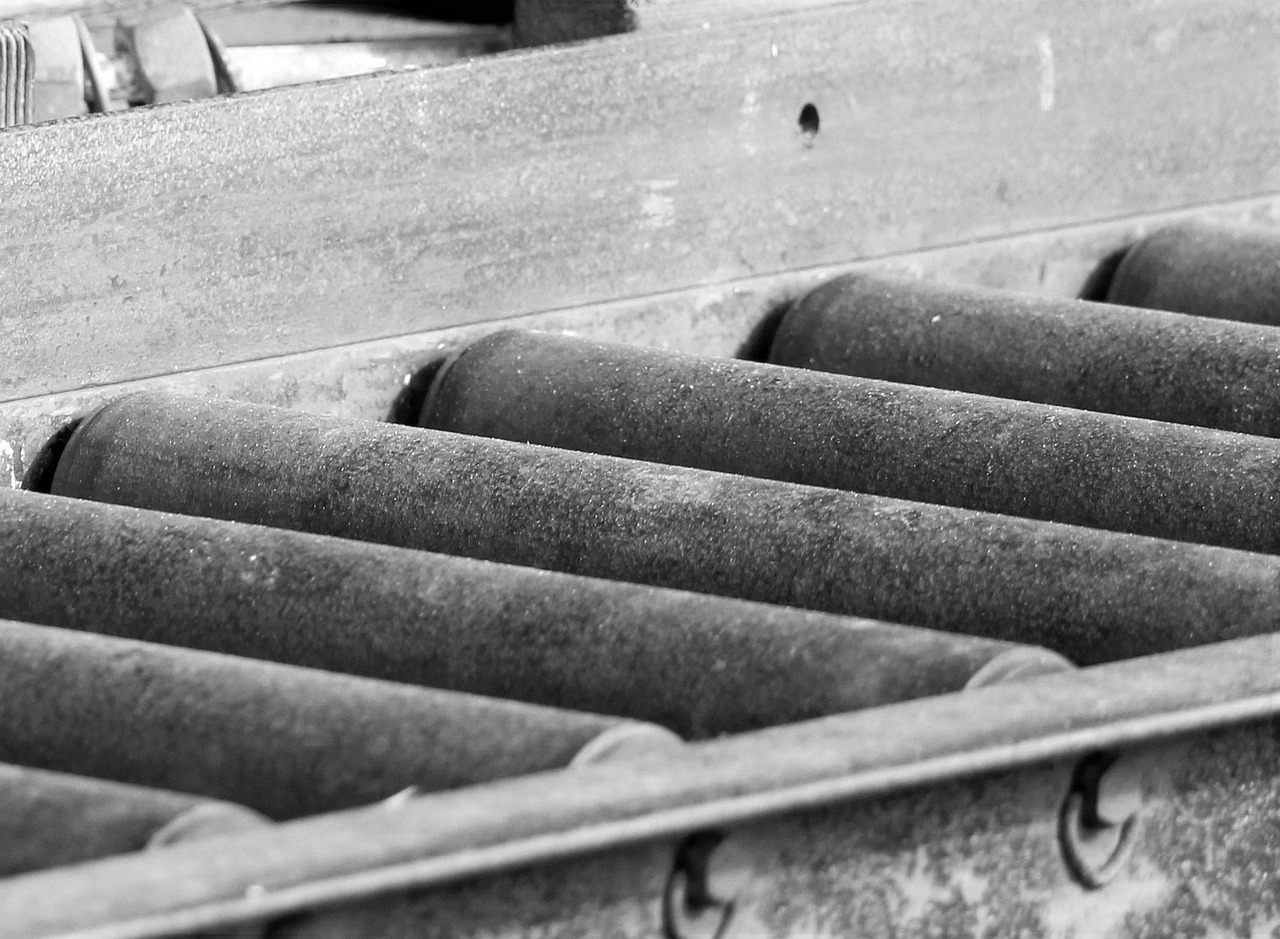
Conveyor belt systems are an integral component of numerous industries across India, playing a pivotal role in manufacturing, mining, food processing, and more. These systems facilitate the efficient movement of materials and products, enhancing productivity and operational efficiency. As industries continue to grow and evolve, the demand for innovative conveyor belt technologies is on the rise. Understanding the various types of conveyor belt systems and their applications can help businesses optimize their operations and remain competitive in the marketplace.
Understanding Conveyor Belt Systems
Conveyor belt systems are mechanical devices that transport materials or products from one location to another. They consist of a belt, pulleys, and a motor that powers the movement of the belt. These systems vary in complexity and functionality, catering to diverse industrial needs.
Types of Conveyor Belts
- Flat Belt Conveyors: Ideal for transporting items of varying sizes and shapes. They are commonly used in manufacturing and packaging industries.
- Modular Belt Conveyors: Composed of interlocking modules, these belts provide flexibility and are suitable for applications requiring high resistance to wear and tear.
- Cleated Belt Conveyors: Equipped with vertical cleats, these belts prevent materials from slipping. They are used in inclined or declined applications.
- Curved Belt Conveyors: Designed to navigate corners, they are essential for facilities with space constraints.
For businesses interested in exploring advanced guides and tips on these systems, find out more about this approach.
Applications in Indian Industries
Conveyor belt systems have a broad spectrum of applications across various sectors in India. Key industries benefiting from these systems include:
- Mining: Used for transporting ores and minerals efficiently, reducing manual handling and streamlining operations.
- Manufacturing: Essential for assembly lines, where they facilitate the seamless movement of components and products.
- Food Processing: Ensure hygiene and efficiency in the movement of raw and packaged food items.
- Automotive: Support the transportation of large and heavy components, critical in assembly and production lines.
Discover expert strategies here to optimize these applications for specific industry requirements.
Factors to Consider When Choosing a Conveyor Belt System
When selecting a conveyor belt system for an Indian industrial setup, several factors should be considered to ensure optimal performance and longevity:
- Load Capacity: The system must support the weight and volume of the materials being transported.
- Environment: Consider the operational environment, such as temperature and exposure to chemicals, to select appropriate materials for the belt.
- Maintenance: Opt for systems with minimal maintenance requirements to reduce downtime and costs.
- Energy Efficiency: Energy-efficient systems can significantly reduce operational costs and environmental impact.
Learn about our tailored solutions here to find the best fit for specific industrial needs.
Future Trends in Conveyor Belt Systems
The future of conveyor belt systems in India is being shaped by technological advancements and the increasing emphasis on sustainability. Key trends include:
- Automation: The integration of smart technologies and automation is enhancing the efficiency and accuracy of conveyor systems.
- Eco-Friendly Materials: The use of sustainable and recyclable materials in conveyor belts is gaining traction to reduce environmental impact.
- Predictive Maintenance: Utilization of IoT and AI to foresee maintenance needs, thus minimizing unexpected downtimes.
For businesses wanting to stay ahead of these trends, explore advanced guides and tips to upgrade existing systems or implement new technologies.
In conclusion, conveyor belt systems are indispensable in enhancing industrial efficiency and productivity. By understanding the types, applications, and future trends, businesses can make informed decisions and adopt systems that best suit their operational needs, ensuring long-term success and competitiveness.