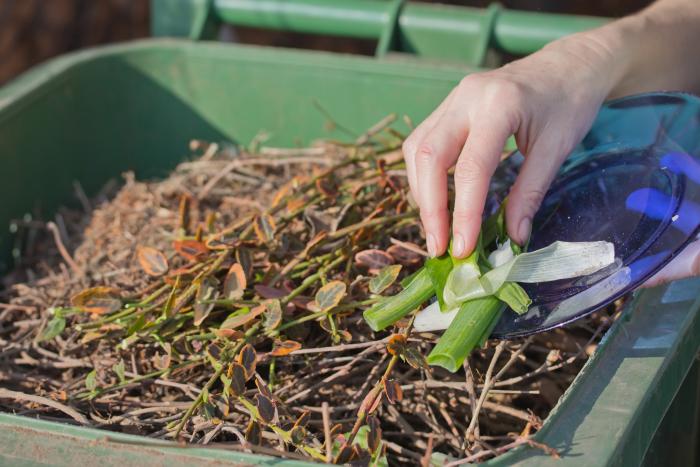
Vancouver is a city known for its commitment to sustainability and environmental stewardship. One of the critical components of this green initiative is organics recycling. The process involves collecting and recycling organic waste, such as food scraps, yard waste, and other biodegradable materials, to transform them into valuable resources. This practice not only reduces the volume of waste sent to landfills but also contributes significantly to environmental conservation and sustainable urban living.
Environmental Benefits
Organics recycling plays a crucial role in protecting Vancouver”?s natural environment. The process offers numerous ecological advantages, including:
- Reduction of Greenhouse Gas Emissions: By diverting organic waste from landfills, the production of methane”?a potent greenhouse gas”?is minimized.
- Conservation of Natural Resources: Recycling organic waste reduces the need for chemical fertilizers, conserving natural resources and promoting soil health.
- Improved Air and Water Quality: Decomposition of organic materials in landfills can lead to air and water pollution. Organics recycling helps prevent these issues by managing waste in a controlled manner.
Economic Advantages
Beyond environmental benefits, organics recycling also presents significant economic opportunities for Vancouver:
- Job Creation: The recycling industry supports employment in collection, processing, and distribution of recycled materials.
- Cost Savings: Reducing waste sent to landfills decreases disposal costs for businesses and municipalities.
- Market Expansion: The production of compost and other organic products opens new markets and business opportunities.
Community Impact
Enhancing Community Engagement
Organics recycling fosters a sense of community and shared responsibility among Vancouver residents. By participating in organic waste diversion programs, individuals become more conscious of their consumption and waste habits. Community-led initiatives and educational programs further strengthen this engagement, promoting a culture of sustainability.
Supporting Local Agriculture
Compost generated from organics recycling in Vancouver is often used to enrich local soils, supporting urban and peri-urban agriculture. This not only enhances food security but also encourages the growth of local, sustainable food systems.
Challenges and Solutions
While organics recycling in Vancouver offers numerous benefits, it also poses challenges:
- Contamination: Non-organic materials mixed with organic waste can disrupt the recycling process. Education and awareness campaigns are vital to address this issue.
- Infrastructure: Adequate collection and processing facilities are necessary to handle the volume of organic waste efficiently. Investment in infrastructure is crucial for scaling recycling efforts.
- Public Participation: Continuous public engagement and incentives are essential to encourage widespread participation in organics recycling programs.
Solutions to these challenges include enhancing public awareness, improving waste sorting guidelines, and investing in advanced recycling technologies. These efforts ensure the sustainability and effectiveness of organics recycling in the long term.
Conclusion
The benefits of organics recycling in Vancouver extend beyond environmental conservation to incorporate economic and community well-being. As Vancouver continues to prioritize sustainability, organics recycling remains a vital component of its strategy. By addressing existing challenges and promoting public participation, the city can further enhance its commitment to creating a greener, more sustainable urban environment. For more information on organics recycling and its impact, consider visiting resources dedicated to organics recycling vancouver.