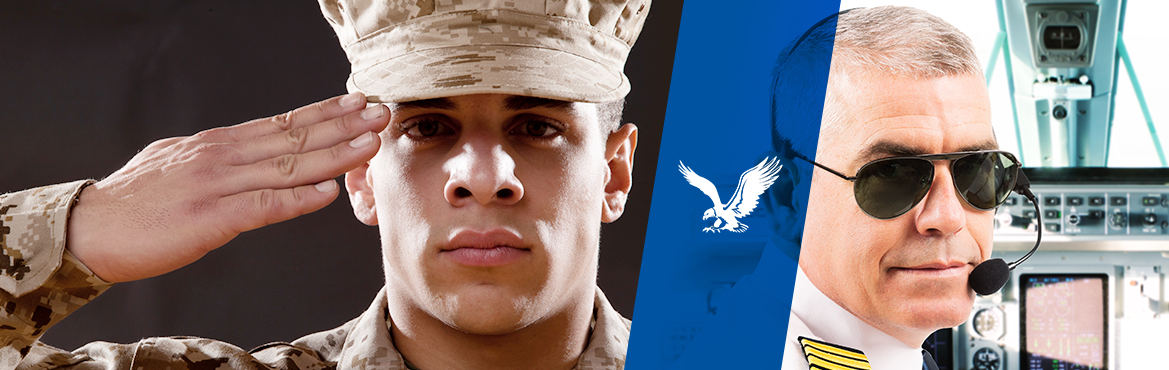
The transition from military to civilian aviation is a significant career move filled with both challenges and opportunities. Many military pilots look to achieve an Airline Transport Pilot (ATP) certification as a pivotal step in this transition. This certification not only validates their skills but also opens doors to a range of career opportunities in commercial aviation. This article outlines the essential components of the Military Pilots Transition Program, guiding military veterans towards achieving ATP certification and easing their path into the civilian aviation sector.
Understanding the ATP Certification
The Airline Transport Pilot certification is the highest level of aircraft pilot certification. It authorizes the holder to act as Pilot in Command of scheduled air carriers and other private and commercial aircraft operations. The certification process involves rigorous training and testing, reflecting the skills and knowledge expected from a proficient and responsible pilot.
Requirements for ATP Certification
- A minimum of 1,500 hours of total flight time
- Successful completion of the ATP knowledge test
- An extensive checkride with an FAA examiner
- Specific flight time in different roles, such as Pilot in Command
For military pilots, the experience gained through service can be leveraged to meet many of these requirements. To understand how military flight experience can be applied towards these requirements, find out more about this approach.
The Military Pilots Transition Program
Specialized transition programs exist to assist military pilots in navigating the complexities of ATP certification. These programs are designed to align military experience with civilian aviation standards, ensuring that veterans receive proper credit for their skills and experience.
Key Components of the Program
- Assessment of military flight hours and experience
- Customized training plans to meet FAA requirements
- Preparation for the ATP written and practical exams
- Access to flight simulators and other resources
To explore advanced guides and tips on how these programs can benefit military pilots, discover expert strategies here.
Benefits of Transitioning to Civilian Aviation
Transitioning from military to civilian aviation not only offers new professional opportunities but also allows pilots to continue their passion for flying in a different context. The commercial aviation industry values the discipline, experience, and skills that military pilots bring to the table.
Advantages Include:
- Competitive salaries and benefits
- Opportunities for career advancement
- The chance to work with leading airlines
- A more flexible and balanced lifestyle
Military pilots interested in these opportunities can learn about our tailored solutions to facilitate their transition.
Conclusion
The journey from military to civilian aviation is both rewarding and challenging. By leveraging specialized transition programs, military pilots can efficiently meet the requirements for ATP certification, paving the way for a successful career in commercial aviation. Whether through personalized training plans or expert guidance, the right resources can make a significant difference in this transition. For more information and to start your journey, explore advanced guides and tips available through the Military Pilots Transition Program.