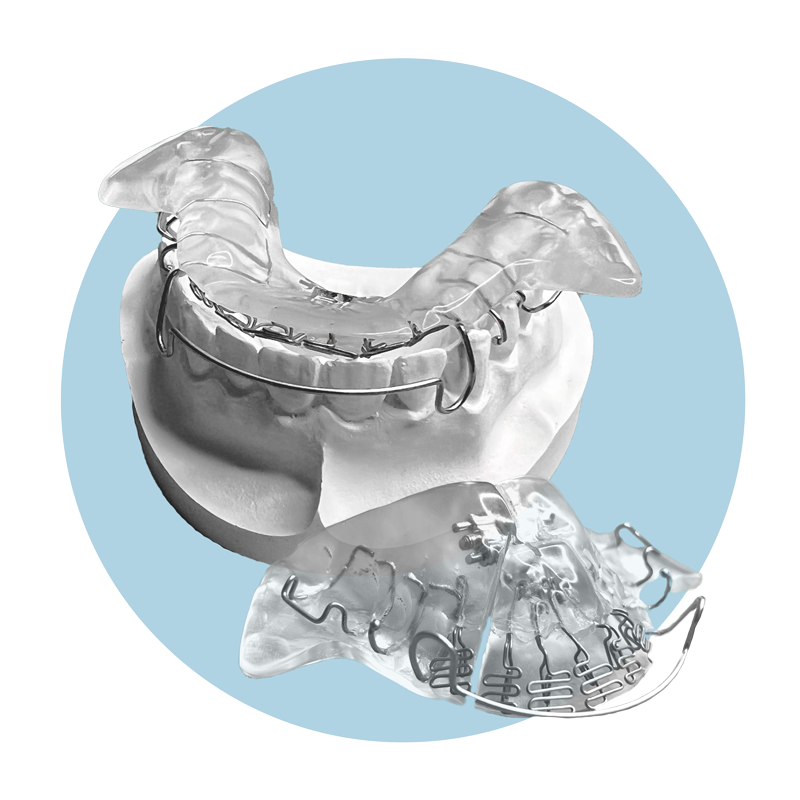
Snoring is a prevalent issue affecting millions of people worldwide. It can disrupt sleep patterns, impact relationships, and even indicate underlying health problems. While various remedies are available, oral appliance therapy has emerged as a highly effective solution for many individuals. This article delves into the intricacies of oral appliance therapy, offering insights into its benefits, functionality, and suitability for different snoring problems.
Understanding Oral Appliance Therapy
Oral appliance therapy involves using a custom-fitted device worn in the mouth during sleep. This device helps keep the airway open, reducing or eliminating snoring. There are different types of oral appliances, each designed to address specific issues related to snoring and sleep apnea.
Types of Oral Appliances
- Mandibular Advancement Devices (MADs): These are the most common type of oral appliances. They work by repositioning the lower jaw forward, which helps keep the airway open.
- Tongue Retaining Devices (TRDs): These devices hold the tongue in place to prevent it from blocking the airway during sleep.
Discover expert strategies here to determine the most suitable type of oral appliance for your needs.
The Benefits of Oral Appliance Therapy
Oral appliance therapy offers numerous benefits, making it a popular choice for individuals struggling with snoring and mild to moderate sleep apnea.
- Non-Invasive: Unlike surgical options, oral appliances are non-invasive and easily reversible.
- Comfortable: Custom-fitted devices ensure comfort and ease of use, promoting better compliance.
- Portable: These appliances are compact and convenient for travel, ensuring uninterrupted therapy.
- Effective: Many users report significant reductions in snoring and improvements in sleep quality.
Learn about our tailored solutions here for more details on the advantages of oral appliance therapy.
How Oral Appliance Therapy Works
The primary function of oral appliances is to maintain an open airway during sleep. By adjusting the position of the jaw or tongue, these devices prevent the collapse of soft tissues at the back of the throat, which is a common cause of snoring.
Customization and Fitting
For optimal results, oral appliances must be custom-fitted by a dental professional. The process involves taking impressions of your teeth and creating a device tailored to your mouth’s unique structure. This ensures maximum comfort and effectiveness.
Explore advanced guides and tips here to understand more about the fitting process and customization options.
Determining Suitability for Oral Appliance Therapy
Not everyone is an ideal candidate for oral appliance therapy. It is essential to undergo a thorough evaluation by a sleep specialist to determine if this treatment is appropriate for your condition.
Factors to Consider
- Severity of Snoring: Oral appliances are most effective for mild to moderate cases.
- Dental Health: Good oral hygiene and dental health are crucial for wearing an oral appliance comfortably.
- Sleep Apnea: For those with severe obstructive sleep apnea, a CPAP machine may be recommended instead.
Find out more about this approach here to assess whether oral appliance therapy aligns with your health needs.
Conclusion
Oral appliance therapy represents a compelling option for addressing snoring issues, backed by comfort, convenience, and effectiveness. By understanding the types, benefits, and suitability, individuals can make informed decisions about their health and well-being. For those seeking a non-invasive and effective solution to snoring, oral appliance therapy is worth considering. For further information and personalized guidance, explore advanced guides and tips that detail the nuances of this therapy.