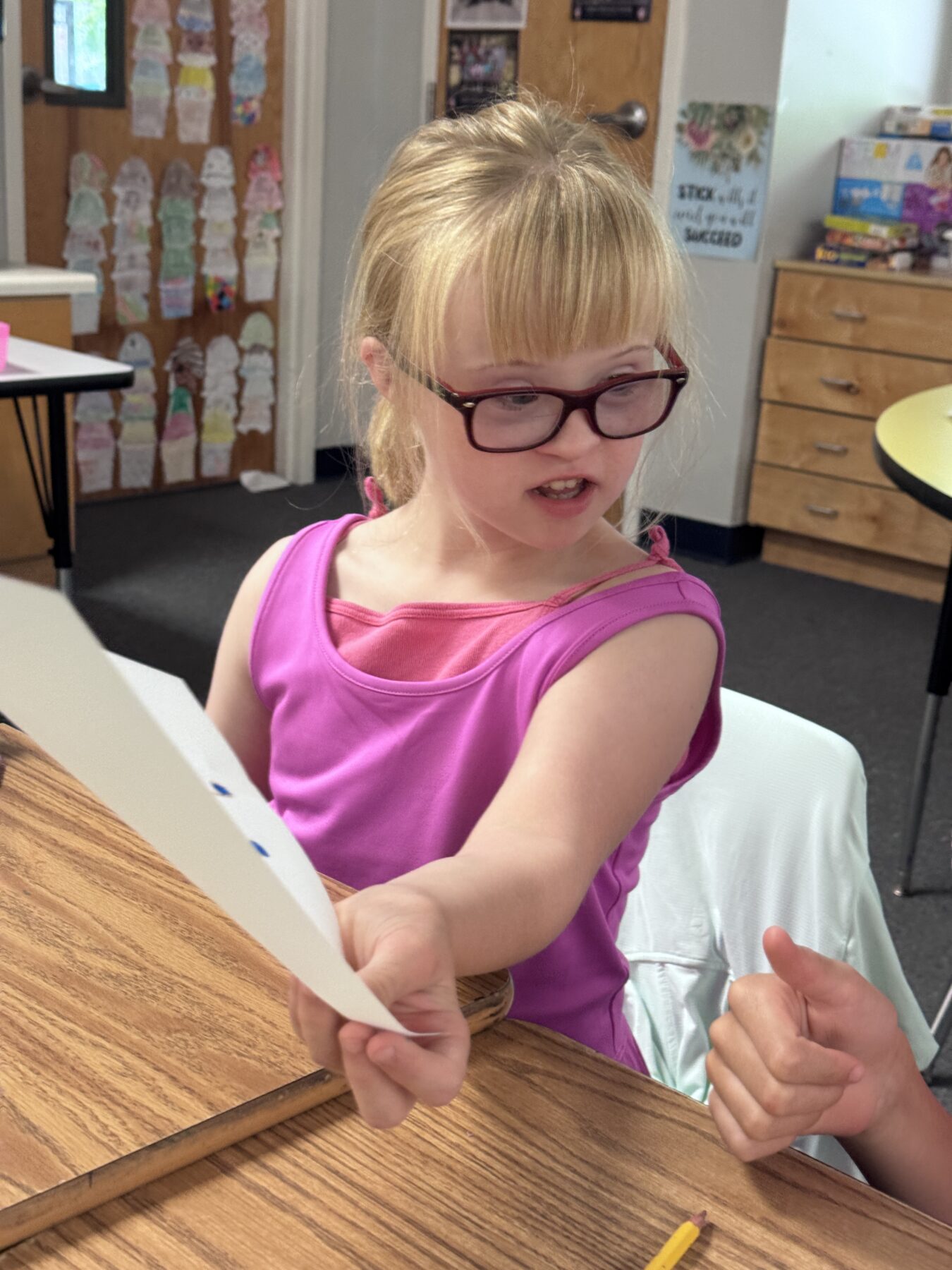
The transition from middle school to upper school marks a significant milestone in a student’s educational journey. It is a period characterized by increased academic expectations, greater independence, and the development of more complex social relationships. Understanding this transition can help students, parents, and educators prepare for and navigate the challenges and opportunities that arise during this pivotal time. This article aims to explore the various aspects of transitioning to the upper school program, highlighting key considerations and strategies for success.
Understanding the Transition
The move to upper school involves several changes that can impact a student’s academic and social life. Recognizing these changes can provide a better framework for preparation and adaptation.
- Academic Rigor: Upper school often introduces more challenging coursework that requires critical thinking and analytical skills.
- Social Dynamics: Students encounter a broader range of social interactions, necessitating enhanced communication and interpersonal skills.
- Increased Independence: Greater responsibility is placed on students for managing their time and academic commitments.
Strategies for a Smooth Transition
To facilitate a successful transition, students and their support systems can employ various strategies designed to ease the shift to upper school.
Academic Preparedness
Preparing academically involves understanding the curriculum changes and expectations in upper school. This can be achieved through:
- Engaging in summer reading programs to maintain and enhance literacy skills.
- Participating in pre-transition workshops or orientation sessions offered by schools. Learn more in this detailed guide.
- Encouraging consistent study habits and organizational skills to manage increased academic workload.
Building Social Skills
Developing social skills is crucial as students navigate new peer groups and social settings. Key approaches include:
- Joining clubs or extracurricular activities to foster new friendships and interests.
- Promoting open communication with peers and teachers to build a supportive network.
- Participating in group projects to enhance teamwork and collaboration skills. Find additional information here.
Fostering Independence
Encouraging independence helps students take ownership of their learning and personal growth as they transition to upper school. Strategies include:
- Setting personal goals to encourage self-motivation and accountability.
- Teaching time management skills to balance academic and extracurricular commitments.
- Providing opportunities for self-reflection to assess progress and identify areas for improvement. Read more about this topic.
Role of Parents and Educators
Parents and educators play a pivotal role in supporting students during this transition. Their involvement can be instrumental in helping students adjust successfully to the upper school environment.
- Parents can maintain an open dialogue with their children to understand their experiences and challenges.
- Educators can offer guidance and resources tailored to the needs of transitioning students.
- Both can collaborate to create a supportive learning environment that fosters resilience and adaptability. Explore further insights here.
Conclusion
Transitioning from middle school to upper school is a significant step in a student’s educational journey, marked by both challenges and opportunities for growth. By understanding the dynamics of this transition and implementing effective strategies, students can navigate this period with confidence. Parents and educators can provide crucial support, ensuring that students are prepared to meet the demands of upper school and beyond. For more information and resources on facilitating this transition, explore further insights here.