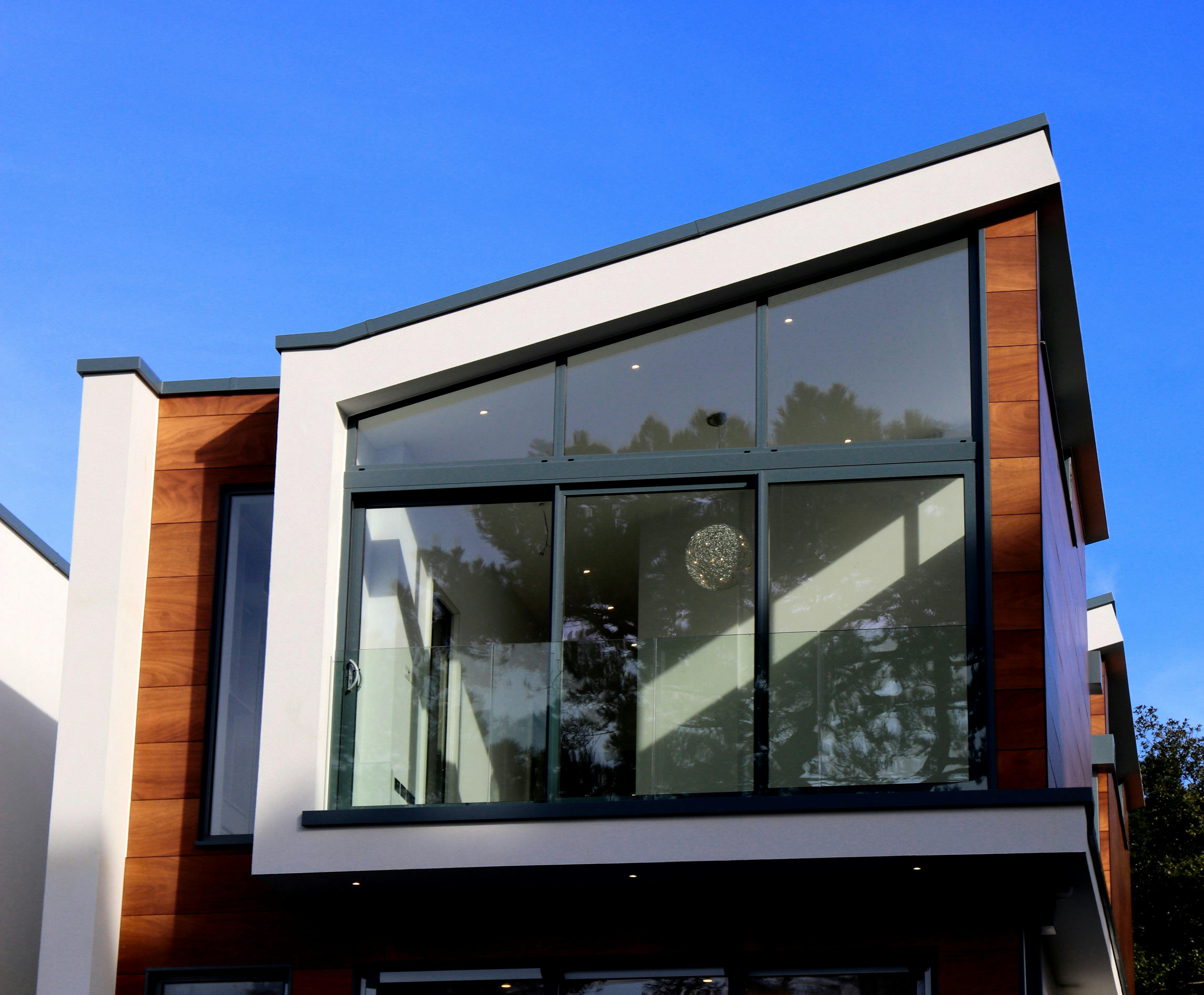
As the world turns its focus towards sustainable living, solar passive homes are gaining significant traction. These homes are designed to harness the natural energy from the sun, providing an environmentally friendly alternative to traditional housing. Solar passive design optimizes the use of sunlight for heating and lighting, which not only reduces energy consumption but also enhances the comfort of living spaces. This approach to home design offers a myriad of benefits, from cost savings to increased comfort and reduced environmental impact.
Understanding Solar Passive Design
Solar passive design is an architectural approach that takes advantage of the sun’s natural energy, without relying on mechanical heating or cooling systems. The key principles of solar passive design include:
- Orientation: Positioning the home to maximize exposure to the sun ensures that the building absorbs heat during the winter and minimizes heat gain during the summer.
- Insulation: Effective insulation helps retain heat within the home, reducing the need for artificial heating.
- Thermal Mass: Materials like concrete or brick are used to store and release heat, maintaining a stable indoor temperature.
- Ventilation: Natural ventilation strategies, such as cross-ventilation, help regulate indoor air quality and temperature.
- Window Design: Strategically placed windows allow for maximum sunlight penetration while minimizing heat loss.
To delve deeper into the intricacies of solar passive homes, read more about this topic.
Benefits of Solar Passive Homes
Choosing a solar passive home comes with a multitude of advantages, some of which include:
- Energy Efficiency: By reducing reliance on external heating and cooling systems, solar passive homes lower energy bills significantly.
- Comfort: These homes maintain a consistent indoor temperature, ensuring comfort throughout the year.
- Environmental Impact: Reduced energy consumption translates to a smaller carbon footprint, contributing to environmental conservation.
- Cost Savings: Over time, the investment in a solar passive home pays off through reduced utility costs and potential tax incentives.
- Increased Property Value: As demand for sustainable homes rises, solar passive homes are likely to appreciate in value.
For those interested in the financial and environmental benefits, find additional information here.
Designing a Solar Passive Home
Creating an effective solar passive home requires careful planning and attention to detail. Key considerations include:
Site Selection and Orientation
The location and orientation of the home are critical. A north-facing orientation in the southern hemisphere, or south-facing in the northern hemisphere, ensures optimal sun exposure. This is essential for maximizing the benefits of solar passive designs.
Insulation and Thermal Mass
Choosing the right materials is crucial. Insulation helps maintain the desired indoor temperature, while thermal mass materials store and release heat. These elements work together to minimize the need for artificial heating and cooling.
Window Placement and Shading
Windows should be strategically placed to allow for maximum natural light while minimizing heat loss. Overhangs, shades, and other shading devices can help control the amount of sunlight entering the home.
To learn more about designing an effective solar passive home, explore further insights here.
Challenges and Considerations
While solar passive homes offer numerous benefits, there are challenges to consider:
- Initial Cost: The upfront investment can be higher compared to traditional homes, but the long-term savings often outweigh these initial costs.
- Climate Considerations: Solar passive design must be tailored to the local climate, which can influence the effectiveness of the design.
- Design Complexity: A thorough understanding of solar passive principles is necessary, which might require the expertise of a specialized architect or designer.
For a comprehensive understanding of these challenges, learn more in this detailed guide.
In conclusion, solar passive homes represent a forward-thinking approach to sustainable living. By harnessing the sun’s energy, these homes offer a comfortable, efficient, and eco-friendly living environment. As awareness and demand for sustainable housing grow, solar passive homes are likely to become an increasingly popular choice for environmentally conscious homeowners.