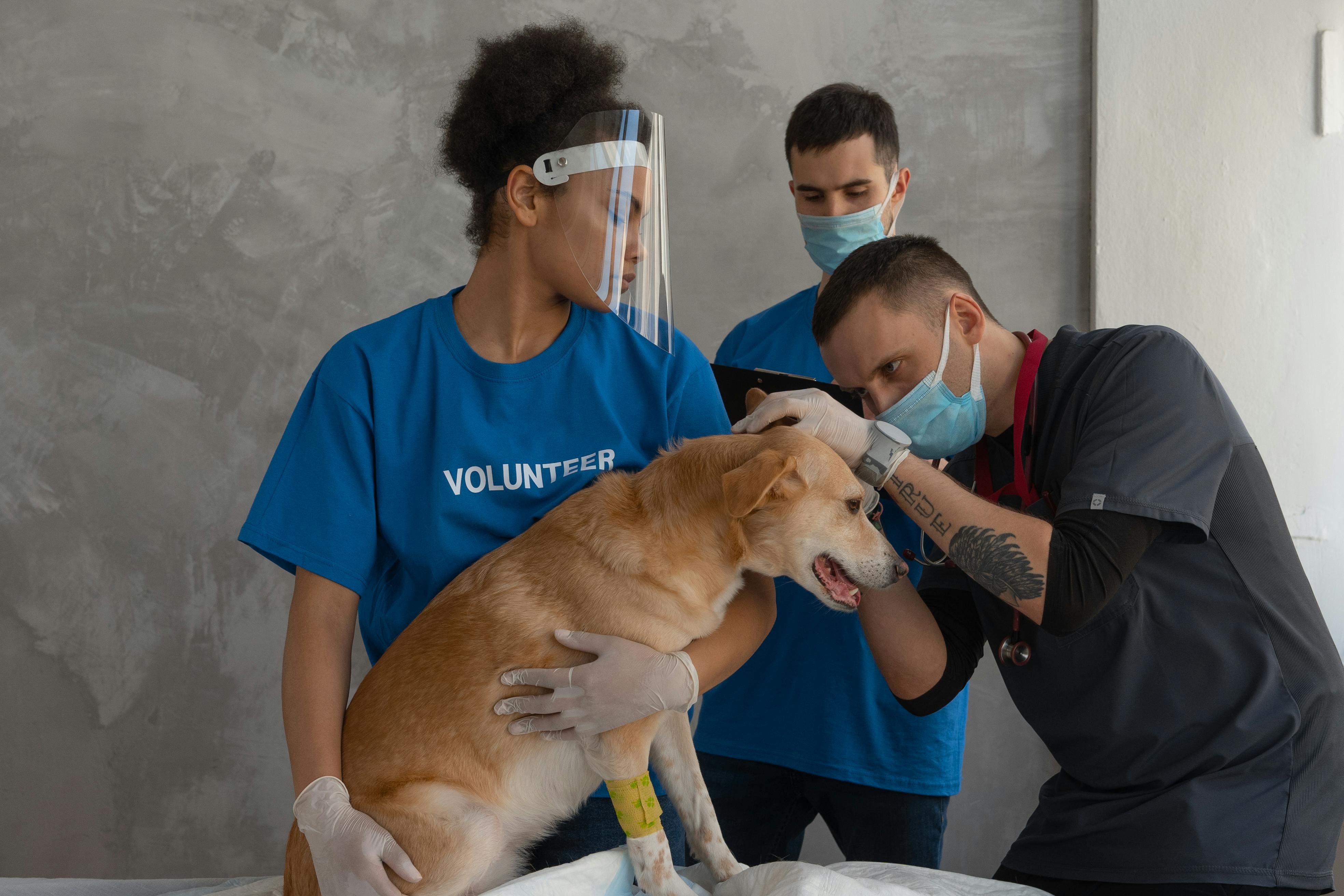
In today’s fast-paced world, companion animals play a vital role in providing emotional support and companionship to individuals and families. Ensuring their well-being and health is of paramount importance. Professional care for companion animals involves a multifaceted approach, combining preventive healthcare, specialized treatments, and tailored wellness programs. This article delves into the importance and components of expert companion animal care, highlighting the role of skilled professionals in delivering these services.
Comprehensive Health Assessments
Companion animal care begins with a comprehensive health assessment. This involves a thorough examination to identify any potential health issues and establish a baseline for future reference. During these assessments:
- Veterinarians conduct physical exams, checking for abnormalities and ensuring vaccinations are up-to-date.
- Laboratory tests such as blood work and urinalysis may be performed to detect underlying conditions.
- Recommendations for diet and nutrition tailored to the animal’s specific needs are provided.
Find additional information here on what comprehensive health assessments entail.
Preventive Care and Regular Monitoring
The cornerstone of expert companion animal care is preventive care. Regular check-ups help in the early detection of diseases, ensuring prompt treatment. Key aspects of preventive care include:
- Scheduled vaccinations to protect against common infectious diseases.
- Parasite control to prevent infestations by fleas, ticks, and worms.
- Dental care to maintain oral health and prevent periodontal disease.
Routine monitoring and preventive measures can significantly enhance the quality of life for companion animals. Explore further insights here about preventive care strategies.
Specialized Treatments and Advanced Medical Interventions
When a companion animal requires more than routine care, specialized treatments and advanced medical interventions become necessary. These may include:
Surgical Procedures
From minor surgeries to complex procedures, experienced professionals ensure that companion animals receive the best surgical care with minimal stress and discomfort. Pain management and post-operative care are critical components of the recovery process.
Chronic Disease Management
For animals with chronic conditions such as diabetes or arthritis, ongoing management through medication, lifestyle adjustments, and regular monitoring is crucial. Tailored treatment plans are developed to manage symptoms and improve quality of life.
To understand more about specialized treatments, read more about this topic.
Behavioral and Emotional Support
Behavioral health is an integral part of holistic companion animal care. Professionals offer guidance and interventions to address behavioral issues and enhance the emotional well-being of animals. Services may include:
- Behavioral consultations to assess and address issues such as anxiety and aggression.
- Training programs designed to improve obedience and communication between the animal and its owner.
- Support for animals with special needs, such as those experiencing separation anxiety.
Learn more in this detailed guide to behavioral and emotional support for companion animals.
Conclusion
Expert companion animal care is a collaborative effort that requires the dedication and expertise of trained professionals. By prioritizing comprehensive health assessments, preventive care, specialized treatments, and behavioral support, professionals ensure that companion animals lead healthy and fulfilling lives. For those seeking to explore additional information on this topic, find additional information here.